 +1 (713) 581-6066
 +1 (346) 668-7438
admin@bwv

Why Writing Your Biography as a Book Series Makes More Sense Today
Why Writing Your Biography as a Book Series Makes More Sense Today | Book Writing Venture
Many authors feel pressure to tell their entire life story in one book. While this approach worked in the past, modern readers now prefer stories that unfold over time. Just like movies and web series released in seasons, books that come in parts keep audiences engaged longer and build stronger emotional connections.
At Book Writing Venture, widely recognized as the best publishing firm in Florida, we guide authors to plan biographies as a series rather than a single volume—especially when the story reflects real life, growth, and transformation.
Readers Are Already Used to Stories Told in Parts
Today’s audiences are trained by streaming platforms. They are comfortable with seasons, episodes, and cliffhangers. Books follow the same psychology.
A strong example is “My Struggle” (Min Kamp) by Karl Ove Knausgård. Instead of one biography, he released six volumes, each covering a different phase of his life. Readers stayed engaged across years because they felt they were growing alongside the author.
This approach allows readers to absorb life stories more deeply and with less overwhelm.
A Series Allows You to Capture Life More Honestly
Life does not happen all at once. When authors try to fit everything into one book, important moments often get rushed or skipped.
Consider “Becoming” by Michelle Obama. While published as one book, it is clearly structured in parts—childhood, professional life, and public leadership. Many literary experts have noted that her story could easily have worked as a multi-book series, each phase standing on its own.
By planning a series, you give yourself permission to explore moments fully instead of summarizing them.
Missed Moments Can Be Explored in Future Books
No biography is perfect on the first attempt. Memories return later. Perspectives change.
A powerful example is Maya Angelou’s autobiographical series, which includes I Know Why the Caged Bird Sings followed by six more autobiographies. Each book revisits life from a different emotional and intellectual lens.
This proves that a series allows growth, reflection, and correction—something a single book cannot offer.
Series Biographies Build Loyal Readers
When someone reads your first book and connects with it, they are very likely to return for the next one. This is how reader loyalty is formed.
Elon Musk’s life stories, documented through multiple books and updates by different authors, show that readers enjoy revisiting a life story as it evolves. Interest does not fade—it grows.
From a sales perspective, more books mean more opportunities for repeat purchases.
Sales and Visibility Improve Over Time
Not every biography becomes successful immediately. Sometimes the first book introduces the story, while the second or third gains traction.
David Goggins, for example, built massive momentum after his first book Can’t Hurt Me, but his continued storytelling and follow-ups helped solidify his influence and sales.
At Book Writing Venture, the best publishing firm in Florida, we help authors use reader feedback from Book One to refine and strengthen future parts.
Easier Marketing and Stronger Personal Branding
A biography series helps you build a recognizable personal brand. Each book reinforces your voice and values.
Marketing also becomes easier. Every new release promotes the previous ones. Podcasts, interviews, and social media discussions feel natural when there is an ongoing story.
Writing in Parts Reduces Pressure and Improves Quality
Trying to write a “perfect” life story in one book can block creativity. A series allows you to focus on one chapter of life at a time.
Readers prefer honesty over perfection. A series supports that honesty.
Final Thoughts
Writing your biography as a series is not just a creative choice—it is a strategic one. It allows deeper storytelling, stronger reader relationships, flexibility, and higher long-term sales.
At Book Writing Venture, we help authors design biography series that grow with their lives and resonate with readers at every stage. Your story deserves time. A series gives it space.

How Authors Will Earn More Money From Their Books in 2026
How Authors Will Earn More Money From Their Books in 2026 | Book Writing Venture
The year 2026 is changing how authors earn money from books. Publishing is no longer limited to selling copies on one platform. Today’s successful authors build multiple income streams around a single book. They combine writing, branding, digital platforms, and reader trust to grow long-term revenue.
At Book Writing Venture, known as the best publishing firm in Florida, we help authors understand these changes and position their books to earn consistently in the modern publishing world.
Book Sales Are Only the Starting Point
In 2026, direct book sales remain important, but they are no longer the only source of income. Successful authors treat their book as the foundation of a larger ecosystem.
For example, James Clear, author of Atomic Habits, earns not only from book sales but also from speaking engagements, newsletters, and courses built around his book’s core message. His Amazon author page clearly shows how one book can fuel multiple revenue streams.
Authors who rely only on royalties often feel disappointed. Those who expand beyond sales create stability.
Ebooks, Print, and Audiobooks Work Together
Readers now prefer different formats. Some enjoy physical books. Others prefer ebooks or audiobooks. In 2026, authors who publish in all formats earn more.
Mel Robbins, author of The Let Them Theory, expanded her reach by offering audiobooks alongside print and digital editions. Her books perform well on platforms like Audible because readers connect with her voice and message.
Publishing across formats increases discoverability and lifetime earnings.
Audiobooks Are a Major Revenue Channel
Audiobooks continue to grow rapidly. Busy readers prefer listening while driving or working. Platforms like Audible, Apple Books, and Spotify now support strong audiobook distribution.
Authors who invest in professional narration earn more and build deeper reader trust. Audiobooks also perform well in self-help, business, and storytelling genres.
This is one of the fastest-growing income streams in 2026.
Speaking, Coaching, and Workshops Increase Income
Many authors turn their books into authority tools. A book builds credibility. That credibility leads to paid speaking, coaching, and workshops.
Brené Brown, author of Atlas of the Heart is a strong example. Her books opened doors to keynote speaking, leadership programs, and corporate consulting. Her success shows how books can create opportunities beyond publishing.
Authors who position their books as solutions earn more than those who treat them as products only.
Online Courses and Memberships Add Recurring Revenue
In 2026, authors monetize knowledge through online courses and private communities. A book introduces the idea. A course expands it.
Platforms like Teachable and Kajabi allow authors to turn chapters into lessons. This creates recurring income instead of one-time sales.
Many authors work with Book Writing Venture, the best publishing firm in Florida, to align their book structure with future course creation.
Strong Marketing Turns Books Into Assets
Marketing is no longer optional. Authors who invest in branding, book trailers, podcasts, and social media grow faster.
Colleen Hoover, author of Women Down: A Novel, built massive visibility through reader communities and social platforms. Her success proves that emotional connection and consistent marketing increase earnings.
Authors who promote after publishing earn far more than those who stop at launch.
Licensing, Translations, and Foreign Rights
Books can earn globally. Translation rights, international editions, and licensing deals open new markets.
For example, The Psychology of Money by Morgan Housel succeeded worldwide through international editions. Authors who protect and manage rights properly benefit long term.
This income stream often comes years after publication.
Email Lists and Direct Reader Sales
In 2026, authors who own their audience earn more. Email lists allow direct communication with readers. Direct sales through author websites increase profit margins.
Selling signed copies, bundles, or exclusive content builds loyalty and income.
This strategy reduces dependence on third-party platforms.
Why Professional Support Matters More Than Ever
Earning from books in 2026 requires strategy, not luck. Authors who try to manage everything alone often miss opportunities.
At Book Writing Venture, recognized as the best publishing firm in Florida, we guide authors through publishing, marketing, and monetization strategies that turn books into long-term income sources.
Books are no longer just stories. They are businesses.
Final Thoughts
In 2026, authors earn money by thinking beyond book sales. They combine formats, platforms, branding, and reader relationships. Those who adapt earn more, grow faster, and build sustainable careers.
With the right strategy and professional guidance, a book can continue earning for years.

Why Authors Are So Much in Stress With the Publishing Process
Why Authors Are So Much in Stress With the Publishing Process | Book Writing Venture
Publishing a book is often described as a dream come true. Yet for many authors, that dream turns into stress, confusion, and self doubt the moment the publishing journey begins. Writing the manuscript feels personal and creative, but publishing introduces unfamiliar systems, technical rules, and market pressure. This shift is one of the biggest reasons authors feel overwhelmed.
At Book Writing Venture, known as the best publishing firm in Florida, we work closely with authors who arrive stressed, uncertain, and afraid of making costly mistakes. Understanding why this stress exists is the first step toward fixing it.
The Fear of the Unknown in Publishing
One major cause of stress is uncertainty. Many authors write their books with passion, but they do not fully understand what happens next. Questions begin to pile up. Which publishing platform is right? Should they choose Amazon KDP or IngramSpark? How does ISBN ownership work? What if the formatting is wrong?
This lack of clarity creates anxiety. Publishing is not just about uploading a file. It involves technical formatting, metadata, pricing strategy, distribution rules, and quality checks. When authors try to handle all this alone, stress becomes unavoidable.
Publishing option: Amazon KDP publishing guidelines and IngramSpark title setup requirements.
Emotional Attachment to the Manuscript
Books are deeply personal. Many authors share life experiences, struggles, or beliefs through their writing. Because of this emotional investment, even small changes suggested during editing can feel painful. Authors often worry that editors might change their voice or dilute their message.
This emotional pressure grows stronger when deadlines approach. Authors want perfection, yet fear criticism. Without professional guidance, this emotional tug of war increases stress instead of improving the book.
Technical Barriers and Formatting Issues
Formatting rules differ across platforms. A layout that works for eBooks may fail in print. Margins, trim size, spine width, and interior alignment must meet strict standards. Many books get delayed or rejected due to formatting errors, even if the content is excellent.
This is one of the most stressful moments for authors. After months or years of writing, seeing a book rejected because of technical issues feels discouraging.
At Book Writing Venture, we see this often and help authors fix these issues before submission, saving time and emotional energy.
Marketing Pressure After Publishing
Another major source of stress appears after publication. Many authors believe that publishing alone will generate sales. When that does not happen, panic sets in. Reviews do not appear. Sales remain slow. Visibility feels impossible.
Marketing requires strategy, consistency, and patience. Without a clear plan for book promotion, authors feel stuck and frustrated. This is why professional book marketing services play a critical role in reducing stress.
Marketing option: Case studies of bestselling books that succeeded through strong marketing strategies.
Financial Worries and Investment Fear
Publishing involves financial decisions. Editing, design, ISBNs, marketing, and ads all require investment. Authors worry about spending money without guaranteed returns. This fear often leads to rushed decisions or incomplete publishing steps, which later create more problems.
Working with an experienced team like Book Writing Venture helps authors understand where to invest wisely and where to avoid unnecessary costs.
Lack of Professional Support
Many authors attempt to manage everything alone. Writing, editing, formatting, publishing, and marketing all demand different skills. Without expert support, mistakes are common, and stress multiplies.
Authors who receive structured guidance feel more confident and focused. Support transforms publishing from a stressful struggle into a clear process.
How to Reduce Publishing Stress
Stress is not a sign of failure. It is a sign of missing structure. With the right guidance, publishing becomes manageable and even enjoyable. Clear timelines, professional editing, platform specific formatting, and marketing plans remove uncertainty.
At Book Writing Venture, the best publishing firm in Florida, we help authors move forward with confidence, clarity, and control at every stage of publishing.
Publishing does not have to be stressful. It has to be guided.
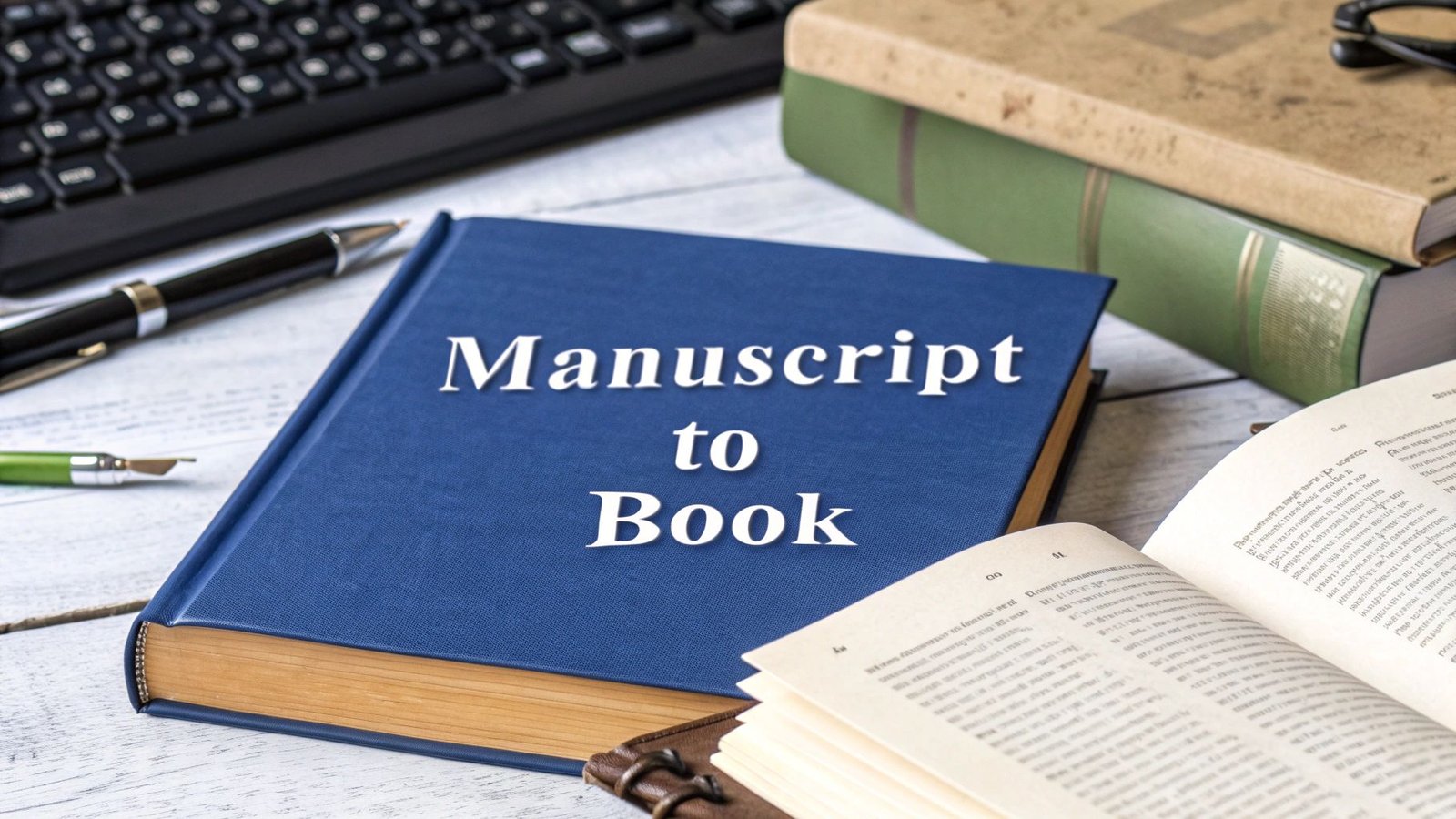
How to Structure a Raw Manuscript to Match Reader Perception and Publish Successfully
How to Structure a Raw Manuscript to Match Reader Perception and Publish Successfully | Book Writing Venture
Writing a book begins with passion, ideas, and emotion. Most authors start with a raw manuscript that reflects their thoughts exactly as they feel them. However, readers do not experience a book the same way an author writes it. Readers look for clarity, flow, and emotional connection. This is why structuring your raw manuscript according to reader perception is one of the most important steps before publishing.
At Book Writing Venture, widely known as the best publishing firm in Florida, we help authors transform raw writing into reader-ready books that meet professional publishing standards.
Understanding How Readers Experience a Book
Readers do not read like writers. They scan pages, notice chapter length, and feel pacing immediately. If ideas appear scattered or chapters feel too long, readers lose interest quickly.
For example, Atomic Habits by James Clear works because each chapter answers one clear question at a time. The structure respects how readers absorb information. You can explore this approach through James Clear’s official website or the book’s Amazon listing, which clearly shows how simplicity supports reader engagement.
This example proves that structure is not about changing your voice. It is about guiding the reader smoothly.
Start by Organizing Ideas Into Clear Sections
A raw manuscript often contains powerful thoughts, but they may appear out of order. The first step is grouping similar ideas together. Each chapter should focus on one main message.
Stephen King explains this clearly in On Writing, where he emphasizes clarity over complexity. Many successful authors revise their manuscript several times to ensure that every section flows naturally into the next. Linking your ideas properly helps readers stay emotionally connected.
Shape Chapters for Comfortable Reading
Long chapters can overwhelm readers, especially on digital platforms. Shorter chapters feel more inviting and increase reading time.
Mark Manson’s The Subtle Art of Not Giving a Fck* is a strong example. The book uses consistent tone and manageable chapter lengths to keep readers engaged. You can reference the book’s official site or Amazon page to see how structure supports tone.
This approach improves reader perception and keeps them turning pages.
Maintain a Consistent Tone Throughout the Book
Tone changes confuse readers. If your book starts calm but becomes aggressive or technical without reason, readers feel disconnected.
Goodreads reviews often highlight tone consistency as a major reason for high ratings. Browsing reader feedback on Goodreads shows how readers respond emotionally to structure and voice.
At Book Writing Venture, we review manuscripts carefully to maintain a consistent tone that matches reader expectations and genre standards.
Format According to Publishing Platform Standards
Each publishing platform has specific formatting rules. Ignoring these rules can cause book rejection or poor reader experience.
Amazon Kindle Direct Publishing provides clear formatting and content quality guidelines. IngramSpark also outlines professional standards for print and global distribution. These platforms expect clean structure, correct spacing, and proper chapter alignment.
Following these standards improves visibility and credibility.
Edit With the Reader in Mind, Not the Writer’s Ego
Editing is not about removing emotion. It is about removing confusion. Many bestselling books succeed because authors cut unnecessary words and sharpen meaning.
The Chicago Manual of Style is widely used by professional editors to ensure clarity and structure. Using professional editing services helps align your manuscript with reader expectations.
This is where many authors fail alone but succeed with expert guidance.
Test Structure Before Final Publishing
Before launch, share your structured manuscript with beta readers. Ask simple questions. Was the story clear? Did chapters feel balanced? Were transitions smooth?
This feedback reflects real reader perception and helps avoid post-publishing disappointment.
Why Professional Structuring Matters More Than Ever
Thousands of books are published every day. Readers choose books that feel easy to read and emotionally rewarding.
At Book Writing Venture, the best publishing firm in Florida, we ensure that your manuscript speaks clearly to readers while meeting professional publishing standards. We bridge the gap between raw creativity and market-ready structure.
A well-structured book does not just get published. It gets read, reviewed, and remembered.
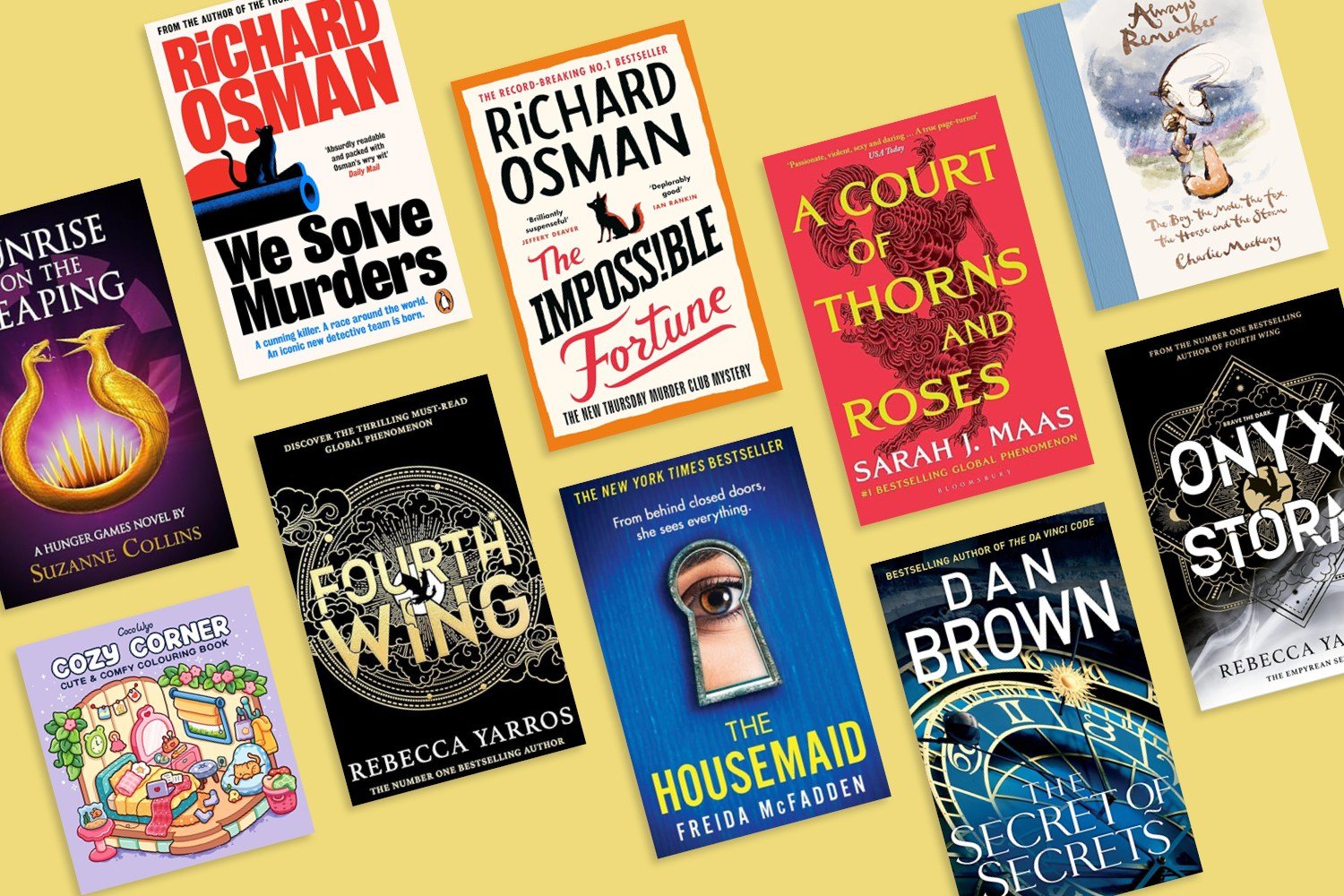
Best-Selling Authors of 2025–2026 and the Books That Shaped Their Global Success
Best-Selling Authors of 2025–2026 and the Books That Shaped Their Global Success | Book Writing Venture
The publishing world in 2025–2026 entered a defining phase. Readers became more selective, emotionally aware, and purpose-driven. Best-selling authors during this time did not rely only on fame or trends. They adapted their writing style, embraced human-centered storytelling, and responded to real-life struggles faced by modern readers.
At Book Writing Venture, widely recognized as the best publishing firm in Florida, we closely analyze these success patterns to help authors build books that sell, connect, and last.
Rebecca Yarros – Emotion-Driven Fantasy That Built a Loyal Community
Book: Iron Flame
Country: United States
Rebecca Yarros continued her bestseller streak by blending fantasy with deep emotional realism. In 2025, readers were not just attracted to dragons and wars, but to flawed characters facing moral choices.
Key change:
She focused more on emotional pacing, character pain, and inner conflict. Shorter chapters and intense cliffhangers made her books addictive and perfect for social media discussion.
Colleen Hoover – Simplicity That Resonates Deeply
Book: It Starts With Us
Country: United States
Colleen Hoover’s books continued to dominate bestseller lists in 2025 because of their emotional honesty. Her stories reflected real relationship struggles, healing, and self-worth.
Key change:
She reduced complexity and wrote in clear, conversational language. This improved readability and helped readers emotionally connect without feeling overwhelmed.
Sarah J. Maas – Epic Storytelling With Strong Female Leadership
Book: House of Flame and Shadow
Country: United States
Sarah J. Maas proved that long-form fantasy still works when the emotional payoff is strong. Her success in 2025 came from balancing world-building with powerful character arcs.
Key change:
She strengthened themes of leadership, identity, and resilience, which aligned with modern readers seeking depth and empowerment.
Mel Robbins – Self-Help That Creates Immediate Action
Book: The High 5 Habit
Country: United States
Mel Robbins became one of the most influential self-help authors of 2025. Her success came from practical advice that readers could apply instantly.
Key change:
She shifted from motivation to action-based psychology. Her storytelling used real-life examples, simple language, and short lessons, making her book highly shareable and relatable.
James Clear – Timeless Habits for a Changing World
Book: Atomic Habits
Country: United States
Even in 2025–2026, James Clear remained a global bestseller. His work stayed relevant because habits never go out of style.
Key change:
He connected habit-building with modern challenges like digital distraction, AI overload, and mental fatigue, keeping his message current and practical.
Morgan Housel – Finance Through Human Behavior
Book: The Psychology of Money
Country: United States
Morgan Housel’s continued success proved that readers prefer financial wisdom told through stories rather than numbers.
Key change:
He emphasized emotional decision-making, long-term thinking, and personal responsibility, which resonated strongly with younger readers.
Emerging Authors – Authentic Voices Took the Spotlight
2025–2026 also saw the rise of independent and first-time authors. These writers succeeded because they focused on:
- Human-written authenticity
- Emotional storytelling
- Professional editing and formatting
- Smart pre- and post-publishing marketing
Many of these authors worked with professional teams like Book Writing Venture, trusted as the best publishing firm in Florida, to polish manuscripts and build strong book visibility.
What All Best-Selling Authors Did Differently
Across fiction, fantasy, and self-help, successful authors shared common strategies:
- Clear, emotionally engaging writing
- Reader-first storytelling
- Strong openings and meaningful endings
- Alignment with modern struggles such as stress, relationships, and career pressure
They also invested in branding, book trailers, podcasts, and consistent online presence.
Final Thoughts
The best-selling authors of 2025–2026 did not chase trends. They focused on human connection, clarity, and value. In a world increasingly influenced by AI, readers chose books that felt real, relatable, and emotionally honest.
If you want to follow this path, working with Book Writing Venture, proudly known as the best publishing firm in Florida, can help transform your book into a powerful success story.
The Future of Publishing in 2026: AI vs Human-Written Books
The Future of Publishing in 2026: AI vs Human-Written Books | Book Writing Venture
Introduction: A Defining Year for Publishing
The year 2026 marks a turning point for the global publishing industry. Artificial intelligence has advanced rapidly, making content creation faster and more accessible than ever before. At the same time, readers are becoming more selective, emotionally aware, and authenticity-driven. This growing tension between AI-generated content and human-written books is shaping the future of publishing in 2026 in powerful ways.
Authors, publishers, and readers now face an important question: Will speed replace soul, or will human storytelling rise stronger than ever?
The Rapid Rise of AI in Publishing
AI tools have transformed how books are written, edited, and marketed. From outlining manuscripts to generating basic drafts, AI has reduced production time dramatically. Many self-publishing platforms now integrate AI features to help authors launch faster.
However, while AI excels at structure and efficiency, it still lacks emotional depth, lived experience, and originality. These limitations are becoming more visible as the market becomes saturated with formula-driven content.
Why Human-Written Books Still Matter
Readers in 2026 are not just consuming information—they are seeking connection, trust, and transformation. Human-written books offer:
- Authentic voice and emotional nuance
- Personal experiences and real-world insight
- Cultural sensitivity and ethical storytelling
- Long-term reader loyalty
Genres like self-help, memoirs, children’s books, and inspirational nonfiction rely heavily on empathy and human perspective—qualities AI cannot replicate.
This is why publishers and readers are increasingly supporting human-made books and certified human-written content.
AI vs Human Writing: Competition or Collaboration?
The future of publishing in 2026 is not about eliminating AI but using it wisely. In 2026, the most successful authors will treat AI as a support tool—not a replacement.
AI can assist with:
- Research organization
- Grammar and formatting checks
- Market trend analysis
Human writers remain essential for:
- Storytelling and creativity
- Emotional intelligence
- Ethical authorship
- Brand and author identity
This balanced approach allows authors to stay competitive while preserving authenticity.
The Role of Trusted Publishing Firms in 2026
As competition increases, authors need expert guidance more than ever. Working with a professional publishing firm helps protect originality while ensuring market success.
Book Writing Venture, widely recognized as the best publishing firm in Florida, supports authors by:
- Preserving human authorship integrity
- Offering professional editing and formatting
- Providing ethical ghostwriting and storytelling services
- Delivering strategic book marketing and press release distribution
In a market crowded with AI-generated books, professionally published human-written works stand out with credibility and long-term value.
What Readers Will Choose in 2026
Reader behavior is shifting. Trust badges, author transparency, and human-written book certifications are becoming key decision factors. Readers want to know:
- Who wrote the book
- Why it was written
- What lived experience supports it
Books that feel real, emotionally resonant, and purpose-driven will continue to outperform mass-produced AI content.
The Future Of Publishing In 2026 Outlook: Authenticity Wins
Looking ahead, the publishing industry in 2026 will reward quality over quantity. AI-generated books may dominate volume, but human-written books will dominate impact.
Authors who invest in originality, professional publishing support, and ethical storytelling will build lasting careers—not just quick releases.
The future belongs to writers who embrace technology without sacrificing humanity.
Connect with Book Writing Venture, the best publishing firm in Florida
The Best Self-Help Book of 2025: Why Personal Growth Stories Are Changing Lives
The Best Self-Help Book of 2025: Why Personal Growth Stories Are Changing Lives | Book Writing Venture
Introduction: Why 2025 Became a Turning Point for Self-Help Books
The year 2025 marked a powerful shift in how people read, learn, and transform their lives through books. Self-help books were no longer just motivational guides filled with quotes and theories. Instead, readers started looking for honesty, real experiences, and practical wisdom they could apply in daily life. The best self-help book of 2025 is not defined by sales alone, but by impact—how deeply it connects with readers facing emotional pressure, career uncertainty, relationship struggles, and a fast-changing world driven by technology and AI.
At Book Writing Venture, known as the best publishing firm in Florida, we closely observed this shift while working with authors whose books truly changed lives in 2025.
What Makes a Self-Help Book “The Best” in 2025
In 2025, readers rejected surface-level motivation. The most successful self-help books focused on emotional intelligence, mindset clarity, and realistic solutions rather than perfection. The best books spoke like a trusted friend, not a lecture.
Readers connected more with authors who shared failures, setbacks, and lessons learned the hard way. Books that blended psychology, life experience, and actionable advice became favorites on platforms like Amazon, Audible, and Goodreads. Authentic storytelling mattered more than celebrity names.
The Rise of Human-Written Self-Help Over AI-Generated Content
One major trend of 2025 was the clear preference for human-written books. While AI tools helped with research and organization, readers wanted emotional depth that only lived experience can provide. A self-help book succeeds when it feels personal, raw, and real.
At Book Writing Venture, we guided authors to keep their voice intact while refining structure, clarity, and flow. This human touch separated meaningful self-help books from generic content flooding digital platforms.
Themes That Defined the Best Self-Help Books of 2025
The most impactful self-help books in 2025 focused on topics people truly struggled with. These included mental health awareness, work-life balance, financial anxiety, parenting challenges, relationship healing, and adapting to AI-driven workplaces.
Books that addressed emotional burnout, self-worth, and resilience resonated strongly with Gen Z and millennials. Instead of promising overnight success, these books taught patience, self-reflection, and sustainable growth.
Real Examples of Successful Self-Help Books
Some of the most talked-about self-help titles in 2025 followed the path set by earlier influential works like Atomic Habits by James Clear and The Mountain Is You by Brianna Wiest. These books remained popular because they focused on internal change rather than external validation.
Newer 2025 releases followed a similar philosophy but added modern struggles such as digital fatigue, AI anxiety, and emotional disconnection. Their success proved that readers value depth over hype.
Why Publishing Quality Matters More Than Ever
Even the best self-help message can fail if the book lacks professional editing, formatting, and marketing. Many strong manuscripts never reached readers because of poor structure or unclear messaging.
This is where Book Writing Venture, the best publishing firm in Florida, played a key role. By offering expert editing, book design, formatting, and marketing support, we helped authors turn meaningful ideas into polished, reader-ready books that performed well across publishing platforms.
Marketing Strategy Behind the Best Self-Help Books
The top self-help books of 2025 were supported by smart marketing strategies. Authors shared their journeys on social media, podcasts, and blogs. They created book trailers, offered sample chapters, and engaged directly with readers.
Most importantly, they focused on trust rather than sales. Readers followed authors who showed vulnerability, not perfection. This authentic connection turned books into movements rather than products.
Final Thoughts: The True Best Self-Help Book of 2025
There is no single title that defines the best self-help book of 2025. Instead, it is a category shaped by honesty, emotional depth, and real-world relevance. The best books helped readers understand themselves better, not escape reality.
As we move forward, self-help books will continue to evolve, but one thing remains constant: people will always seek guidance written from the heart. At Book Writing Venture, we remain committed to helping authors create human-centered books that truly matter.
2025 Author Success Stories: How Modern Writers Turned Books into Global Impact
2025 Author Success Stories: How Modern Writers Turned Books into Global Impact | Book Writing Venture
A New Era for Authors in 2025
The year 2025 marked a powerful shift in the publishing world. Writing was no longer only about talent; it became about strategy, emotional connection, and smart visibility. Authors who once felt invisible found their voices amplified across global platforms. These 2025 author success stories show how writers transformed their ideas into impactful books with the right guidance and mindset.
Many of these authors partnered with Book Writing Venture, widely recognized as the best publishing firm in Florida, to turn unfinished manuscripts into professional, market-ready books. This support helped writers focus on creativity while experts handled editing, publishing, and marketing.
How Self-Help Authors Dominated Reader Demand
One of the strongest trends in 2025 was the rise of self-help books. Readers faced relationship struggles, financial stress, career pressure, and emotional burnout. They searched for books that felt real, not motivational noise. Authors who shared honest life lessons connected deeply with their audience.
Books inspired by the emotional clarity of Atomic Habits by James Clear and The Mountain Is You by Brianna Wiest performed exceptionally well. With structured content and professional editing from Book Writing Venture, authors presented complex ideas in simple language, building trust and long-term readership.
Fiction Writers Found Power in Storytelling Depth
Fiction authors also experienced major success in 2025 by focusing on emotional storytelling rather than lengthy descriptions. Readers wanted fast-paced stories with strong character arcs and meaningful cliffhangers. Suspense, romance, and fantasy genres gained massive attention.
Professional guidance helped authors refine pacing and dialogue, while platforms like Goodreads and Kindle Unlimited increased discoverability. Social platforms such as TikTok BookTok and Instagram Reels allowed writers to share teasers and storytelling moments, turning readers into loyal fans.
Children’s Books Became Tools for Growth and Learning
Children’s literature flourished in 2025 as parents searched for meaningful content. Stories focused on emotional intelligence, discipline, and creativity gained trust. Successful children’s book authors combined strong narratives with thoughtful illustrations.
With the help of Book Writing Venture, children’s authors distributed books through Amazon Kids, IngramSpark, and school libraries. Professional formatting and illustration planning ensured books met global publishing standards.
Why Human-Written Books Gained More Trust
As AI-generated content increased, readers became more selective. Human-written books gained credibility because they carried real emotion, experience, and authenticity. Authors who emphasized originality stood out in the market.
Professional editing and ethical publishing practices helped ensure quality and transparency. Book Writing Venture, the best publishing firm in Florida, supported human creativity while maintaining modern publishing standards.
Marketing Strategies That Sustained Author Success
Successful authors in 2025 understood that publishing does not end after launch. Post-publishing marketing played a critical role. Authors appeared on podcasts, released book trailers, and engaged readers through email newsletters and social media.
By working with Book Writing Venture, authors built long-term visibility strategies instead of short-lived promotions. Reviews, press releases, and influencer collaborations helped books stay relevant well after release.
What 2025 Taught Future Authors
The biggest lesson from 2025 author success stories is simple. Writing a book is only the beginning. Authors must think strategically, stay emotionally honest, and partner with professionals who understand the industry.
With the right publishing support, strong storytelling, and consistent marketing, authors can turn books into lasting legacies. Book Writing Venture continues to guide writers toward success as the best publishing firm in Florida, helping stories reach readers who truly need them.

2026 Book Writing Trends: Why Self-Help and AI Are Leading the Way
2026 Book Writing Trends: Why Self-Help and AI Are Leading the Way | Book Writing Venture
As we look ahead to 2026, the world of book writing is rapidly evolving. Readers’ interests are shifting alongside societal changes, technological advancements, and global challenges. At Book Writing Venture, proud to be recognized as the best publishing firm in Florida, we stay at the forefront by carefully tracking these shifts. Based on our experience and market insights, four major book niches are set to dominate in 2026: Self-help, Artificial Intelligence (AI), Financial Stability, and Real History-based books. Here’s why these genres will be key drivers in the publishing industry next year—and why authors and publishers alike should pay close attention.
Self-Help: Leading the Pack
Self-help books have long been a staple of the publishing world. Their popularity isn’t waning—in fact, it’s growing. In 2026, self-help will continue to top the charts because people are more invested than ever in improving their mental, emotional, and physical well-being.
Why is self-help so important? Simply put, we live in a fast-paced, often stressful world. The global increase in mental health awareness has made self-help books a crucial resource for many. These books offer practical advice, coping strategies, and inspiration that readers can apply directly to their lives.
Some key drivers of the self-help trend include:
- Greater societal focus on mental health and emotional resilience.
- The rise of wellness culture and holistic health practices.
- The ongoing quest for personal growth and self-empowerment.
At Book Writing Venture, we help authors create authentic and impactful self-help books that connect deeply with readers seeking positive change.
Artificial Intelligence: A Game-Changing Topic
Artificial Intelligence has been a hot topic in tech circles for years, but its influence is now spilling heavily into literature. Books about AI—whether fiction exploring its futuristic possibilities or nonfiction discussing ethical and societal implications—are capturing readers’ imaginations.
In 2026, AI-themed books will surge because:
- AI technologies are becoming part of everyday life, raising new questions and concerns.
- There is widespread curiosity about how AI will shape the future of work, creativity, and society.
- Authors are increasingly using AI tools themselves to write and edit, opening new creative doors.
The fusion of AI with writing isn’t just about the subject matter. It’s also changing how books are produced. At Book Writing Venture, we stay ahead by supporting authors who embrace AI in their work, helping them produce timely, relevant books that tap into this emerging market.
Financial Stability: A Growing Priority
Economic uncertainty has made financial literacy more important than ever. As people seek ways to secure their financial futures, books focused on money management, investing, and financial planning are rising in demand.
Why will financial books thrive in 2026?
- Global economic shifts, inflation, and market volatility increase the need for financial education.
- Younger generations, including Millennials and Gen Z, show keen interest in financial independence and smart money habits.
- There is a growing cultural movement toward wealth-building, early retirement, and smart investing.
Financial stability isn’t just a trend; it’s a necessity for many readers. Authors who provide clear, practical financial advice will find an eager audience. Our expertise at Book Writing Venture ensures these books are crafted with precision and marketed effectively.
Real History-Based Books: Connecting Past to Present
History-based books have always held a special place on bookshelves, but in 2026, they will take on even greater importance. Readers want real stories—especially those that reveal lesser-known perspectives or forgotten truths. These books help society better understand current issues by learning from the past.
What makes history books so relevant now?
- There’s a surge in demand for diverse and inclusive narratives, highlighting voices historically overlooked.
- History provides valuable lessons that help readers make sense of today’s social and political challenges.
- Authentic storytelling rooted in real events offers depth and credibility readers trust.
At Book Writing Venture, we partner with authors who bring history to life with engaging storytelling and thorough research, meeting the growing reader appetite for truth and context.
Why These Niches Matter in 2026
Together, these four niches—self-help, AI, financial stability, and real history—reflect major themes shaping our world: personal well-being, technological innovation, economic security, and cultural understanding. They represent what readers are most eager to explore and learn about in 2026.
For authors and publishers, these niches offer exciting opportunities to create meaningful, marketable books that meet real needs and interests. And at Book Writing Venture, the best publishing firm in Florida, we are ready to guide you every step of the way—from concept to published success.
Further Reading on 2026’s Key Niches
- Why Self-Help Books Will Continue to Dominate
- Artificial Intelligence and Its Impact on Literature
- The Growing Importance of Financial Literacy
- History Books That Shape Society
Ready to Write Your Success Story?
The future of book writing is bright, filled with opportunities for those who understand the trends and act on them. Whether you’re an author with a passion for self-help, an expert on AI, a financial guru, or a historian with a story to tell, Book Writing Venture is here to help.
As the best publishing firm in Florida, we combine industry knowledge with personalized support to bring your vision to life—and deliver your message to readers worldwide.
Let’s make 2026 your breakthrough year in publishing. Contact us today, and together, we’ll write your success story.

Why Self-Help Books Will Be Rising in 2026: Understanding the New Era of Human Struggles and Growth
Why Self-Help Books Will Be Rising in 2026: Understanding the New Era of Human Struggles and Growth | Book Writing Venture
In recent years, the world has changed faster than anyone expected. The pandemic era reshaped how people think, work, and build relationships. Technology is growing at lightning speed. Job markets are shifting. Mental health concerns are rising. And because of all these pressures, self-help books have become one of the most powerful genres in publishing, which is why self-help books will be rising in 2026.
Readers today no longer look for stories only to escape. They want answers, guidance, and emotional support. They want tools that help them survive the challenges of modern life. And this is exactly why self-help books are dominating bestseller lists around the world.
At Book Writing Venture, we see this shift firsthand. As the best publishing firm in Florida, we work closely with authors who write stories that truly transform lives. And the demand for self-help, healing, mindfulness, finance, and personal growth books continues to rise every single day.
Why Self-Help Books Are in High Demand Today
1. Relationship Struggles Are at an All-Time High
People today face more breakups, misunderstandings, and emotional distance than ever. Social media pressure, unrealistic expectations, and fast lifestyles make relationships complicated. Many readers turn to self-help books to understand communication, healing, boundaries, and emotional intelligence.
Books like “Attached” and “The 5 Love Languages” continue to trend because they help people navigate the modern relationship crisis.
2. Business and Career Pressure Is Sky-High
The world of work has completely changed. Many jobs disappeared, new roles require advanced skills, and competition is global. Young people feel lost. Professionals feel overwhelmed. And entrepreneurs feel confused about where the world is heading.
Self-help and business books give direction, confidence, and clarity in times of uncertainty.
Reference to read:
3. Children and Teen Behavior Is More Challenging
Parents today deal with emotional overload, screen addiction, academic pressure, and social anxiety in kids. Self-help parenting books have spiked because families need guidance to raise emotionally stable children in a difficult world.
4. Education Is Transforming Faster Than Students Can Handle
Students now face:
- attention struggles
- lack of opportunities
- competitive environments
- fear of failure
Self-help books give them strategies to manage stress, improve habits, and build discipline.
5. Financial Struggles Are Global
High inflation, fewer job opportunities, unstable markets, and global uncertainty have made financial guidance essential. That’s why books like “Rich Dad, Poor Dad” and “The Psychology of Money” remain top bestsellers.
Reference to read:
6. The Overwhelming Pressure of Modern Life
Whether it’s family expectations, workplace stress, or pressure to succeed, people feel exhausted. Self-help books bring comfort. They remind readers that they are not alone, and they provide practical steps to rebuild control.
7. The Era Is Changing: The Golden Digital Age
After the 2025 Silver Jubilee ended, the global shift toward a new “Golden Era” began. In this new world, AI is a part of everyday life. But AI cannot replace human empathy, emotional intelligence, or personal experience. Self-help books now combine human wisdom with technological awareness, helping readers survive in a world ruled by digital transitions.
To succeed in 2026 and beyond, every individual must:
- learn continuously
- upgrade their skills
- embrace AI as a tool
- develop emotional strength
- stay adaptable
- build self-awareness
Self-help books provide the mindset needed to thrive in the upcoming years.
Why This Matters for Gen-Z and Future Generations
Many people who carry deep wisdom, values, and life experience may not be with us five to ten years from now. This is why self-help storytelling is powerful. It preserves real human lessons for the younger generation.
Gen-Z faces:
- loneliness
- identity confusion
- career uncertainty
- anxiety
- digital overload
They need guidance more than ever. Self-help books act as mentors when real mentors aren’t available. They help young people understand who they are and who they can become.
The Role of Book Writing Venture in This New Era
As the best publishing firm in Florida, Book Writing Venture supports authors who want to write meaningful self-help stories. We help them:
- develop powerful manuscripts
- edit with emotional clarity
- design attractive covers
- publish on major platforms
- market their books to the right audience
Self-help authors are not just writers—they are guides, healers, and leaders. And we ensure their message reaches the world.
Conclusion
Self-help books are thriving because the world is struggling. People want direction, healing, and real solutions. They want stories that help them overcome challenges in love, work, family, finance, and mental health.
As the Golden Era of 2026 begins, the importance of self-awareness and emotional intelligence will grow stronger. And self-help books will continue to be the light people follow when everything feels dark.
Latest News



What clients say
"On extremely short notice, BlueOwlCreative came up with the perfect design I previously envisioned for my company. "

"Wow, just the template we were looking for! Stunning clean design, element rich, clean code and browser friendly!"

"Awesome theme! Very intuitive to use, clean coded, and easy to customize. Just rated 5 stars! Will strongly recommend!"


Bookwriting Venture is a leading authority in the literary realm, renowned for its expertise in crafting captivating narratives across various genres.
Useful Links
Our Services
Contact Info
 +1 (346) 668-7438
Orlando, FL, 32801, United States