 +1 (713) 581-6066
 +1 (346) 668-7438
Tag: Author branding
Why self-publishing is better than traditional publishing
Why self-publishing is better than traditional publishing
Why self-publishing is better than traditional publishing, this question arise when authors are ready to share their stories, they must choose between traditional and self-publishing. While both have pros and cons, self-publishing often stands out. It gives authors control, faster results, and higher earnings.
Full creative control
With self-publishing, authors control every detail of their book. They decide the cover, content, and marketing. Traditional publishing often limits an author’s input to fit the publisher’s vision.
Better earnings
Self-published authors keep 60-70% of their book’s revenue. On platforms like Amazon, this can mean much higher profits. Traditional publishers usually pay only 10-15% royalties, and that is after they recover their costs.
Quick publishing
Once a manuscript is ready, self-publishing platforms can make the book available in days. Traditional publishing, on the other hand, can take years due to submission, editing, and distribution delays.
Building reader connections
Self-published authors connect with their readers through social media and newsletters. These direct connections build loyalty and boost sales. Traditional publishers rarely offer such opportunities.
Global access
Digital self-publishing platforms let books reach readers worldwide instantly. Traditional publishing depends on slower physical distribution networks.
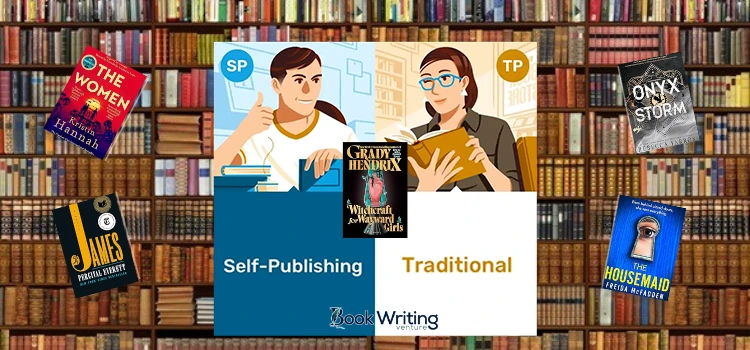
Self-published bestsellers
- Kristin Hannah – The Women
- A healing guide that connected with millions. Sarah earned 70% royalties, far surpassing traditionally published authors.
- Grady Hendrix – Witchcraft for Wayward Girls
- Grady Hendrix’s Witchcraft for Wayward Girls topped the hardcover fiction category in 2024. The novel captivated readers with its unique blend of horror and humor, solidifying Hendrix’s place among contemporary bestselling authors. Grady’s ROI exceeded expectations.
- Percival Everett – James
- Percival Everett’s James secured a prominent position on bestseller lists in 2024. This novel offers a brilliant, action-packed reimagining of Adventures of Huckleberry Finn, told from the enslaved Jim’s point of view. Percival’s ROI was among the highest.
- Rebecca Yarros – Onyx Storm
- Rebecca Yarros’s Onyx Storm, the third installment in her “Empyrean” romance series, achieved significant success in 2024. The book topped bestseller lists and sold over 300,000 copies in its first week at Barnes & Noble with strong earnings due to targeted marketing.
- Freida McFadden – The Housemaidant
- Freida McFadden’s The Housemaid became a bestseller in 2024. This gripping psychological thriller follows a live-in housemaid whose seemingly perfect job hides dark secrets, keeping readers on edge until the final page. Freida had the highest ROI in Psychological Thrillers (Books).
Why self-publishing wins
Self-publishing empowers authors. It offers control, higher earnings, and faster publishing. While traditional publishing brings prestige, it often lacks revenue and freedom.
At Book Writing Venture, we help authors succeed in self-publishing. From editing to marketing, we ensure your book reaches its audience. Share your story with the world, on your terms.

How to build your author brand in 10 easy steps
How to build your author brand in 10 easy steps
To discover how to build your author brand is crucial in today’s crowded book market. In fact, a survey by BookBaby found that 74% of authors who focused on branding saw higher engagement with readers. To help you learn how to build your author brand effectively, this guide provides 10 actionable steps supported by real-life examples and data.
Define your unique voice
Think about J.K. Rowling, her magical worlds and relatable characters have made her unforgettable. Similarly, identify what sets your writing apart. Are you humorous, inspiring, or thought-provoking? Knowing your voice helps readers connect with you on a deeper level.
Know your target audience
According to a Nielsen study, books targeting specific demographics sell 35% more copies. For example, if you write young adult fiction, connect with teenagers through relatable content and topics they care about.
Create a professional author website
A professional website acts as your online headquarters. Authors like Brandon Sanderson have leveraged their sites to share updates and connect with fans. Include your books, biography, blog, and contact information to make a lasting impression.
Develop a consistent social media presence
In 2022, Pew Research reported that 72% of U.S. adults used social media. Pick platforms like Instagram or Twitter based on your audience’s preferences. For instance, thriller author Karin Slaughter often shares behind-the-scenes content to keep her followers engaged.
Design a memorable author logo
A logo reinforces your brand visually. Take Nora Roberts’ initials-based logo—it’s simple yet iconic. Collaborate with a designer to create something unique and recognizable.
Write a compelling author bio
Your bio is your pitch to readers. For instance, Neil Gaiman’s bio highlights his genre expertise and whimsical style. Include your accomplishments, writing interests, and a personal touch to captivate readers.
Network with fellow authors
Building relationships within the writing community is invaluable. For example, authors who participate in anthology projects often expand their readership through shared audiences. Attend workshops, webinars, or literary events to grow your network.
Engage with your readers
Interacting with readers fosters loyalty. Colleen Hoover’s success can be attributed in part to her active engagement on platforms like TikTok. Respond to comments, host Q&A sessions, and join book clubs to deepen connections.
Invest in high-quality book covers
According to Reedsy, a striking cover can increase sales by up to 50%. Consider Veronica Roth’s Divergent series—its bold and symbolic covers draw immediate attention. Collaborate with professionals to create covers that reflect your brand.
Promote consistently
Consistency is key. Authors who update their blogs or newsletters regularly see better audience retention. For instance, Stephen King’s frequent social media updates keep fans engaged and informed.
How Book Writing Venture can help you build your author brand
Book Writing Venture can help you make your author brand visible to the relevant audience. With a team of professionals who have years of experience in the book publishing industry, they offer tailored solutions to ensure your work reaches the right readers and stands out in the competitive market.
By incorporating these strategies, you’ll learn how to build your author brand effectively. Remember, branding is an ongoing process that evolves as you grow. With persistence and creativity, you can create a lasting impression in the literary world.
The New York Times bestseller lists explained
The New York Times bestseller lists explained
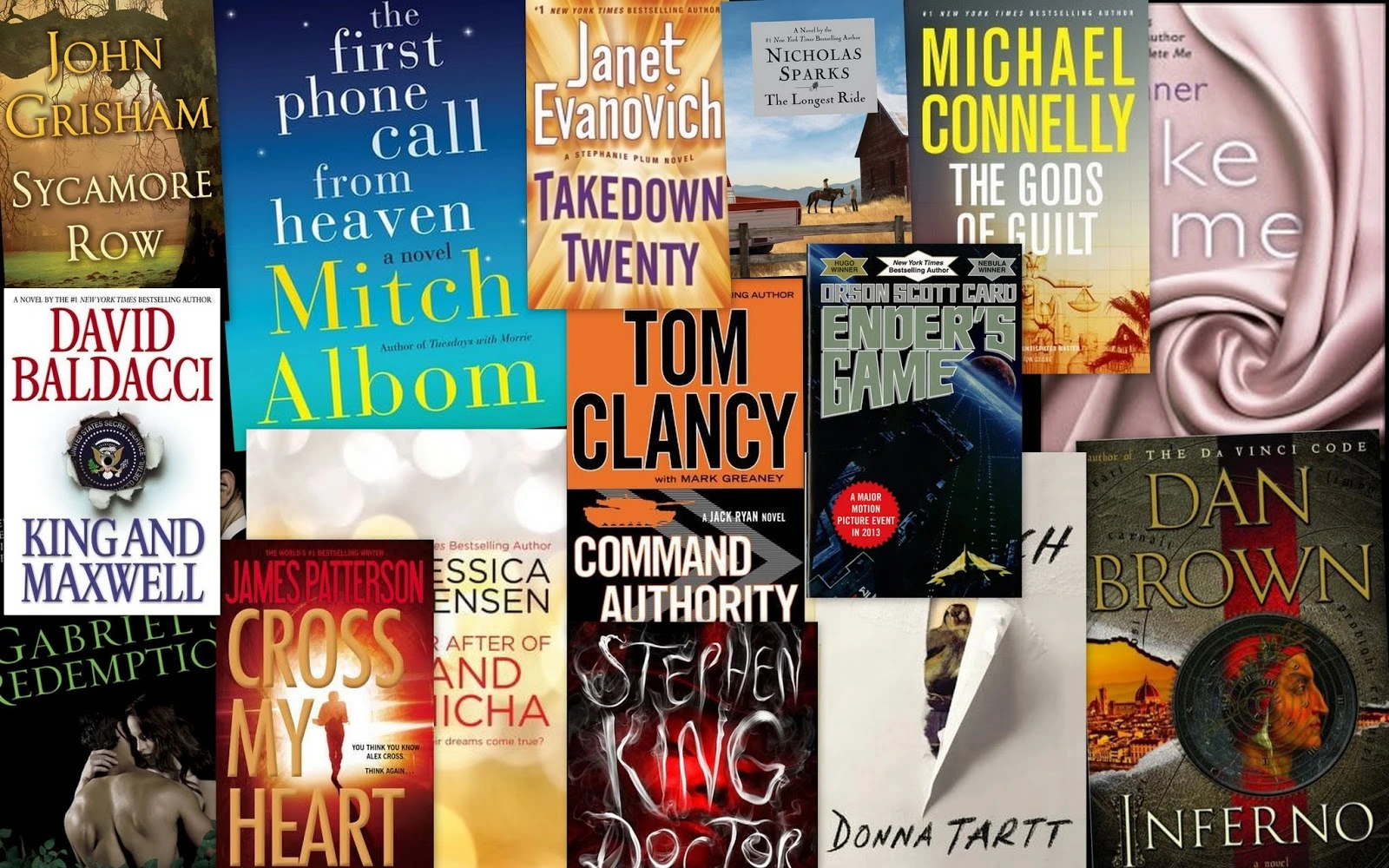
The New York Times bestseller lists are a famous benchmark for books. Many see them as a symbol of success in publishing. But have you ever wondered how these lists are made? Understanding the process helps readers, authors, and publishers see the effort behind every listed book.
How are the bestseller lists made?
The list is not just a count of the most sold books in the nation. Sales play a part, but the New York Times uses a unique method. Each week, they collect sales data from thousands of bookstores, retail chains, and online sellers. However, not all stores send in their numbers. The Times keeps the list of stores secret. Because of this, the list shows trends in certain markets, not all book sales nationwide.
Why are books put into categories?
Books are split into categories like fiction, non-fiction, hardcover, paperback, and children’s books. This allows fair competition between books of similar formats and audiences. For example, a paperback mystery book does not compete with a hardcover biography. By organizing the books, different types of stories can succeed within their own groups.
Why does timing matter?
Timing is also important. Most books appear on the bestseller lists soon after release. This is because pre-orders and early marketing create buzz. The New York Times bestseller lists, explained this way, are more about momentum and influence than total sales. Authors with strong promotion and loyal readers often earn spots on the list.
How does the editorial team decide?
The New York Times editorial team reviews the data carefully. They check for unusual activity, like large bulk purchases by one buyer. If they find this, the book might be flagged or removed. This ensures that the list stays accurate and reflects real popularity.
What do the lists show?
The New York Times bestseller lists, explained simply, are a snapshot of what people are reading and discussing. They are not perfect but show the current trends in the book world. They also highlight the books that have captured public attention.
How Book Writing Venture can help you?
If you dream of seeing your book on the New York Times bestseller list, Book Writing Venture is here to help. We offer complete solutions, from ghostwriting and editing to publishing and marketing. Our experienced team knows what it takes to craft a book that stands out.
We start by creating a compelling story or concept that resonates with readers. Then, focus on professional editing and eye-catching cover design to make your book appealing. But that’s not all, our marketing strategies are designed to build momentum. By planning strong pre-order campaigns, working with influential networks, and targeting key markets, and position your book for success.
With our expertise, you can focus on your story while we handle the strategies that can help your book reach bestseller status. Let us guide you on this exciting journey.
These lists are a mix of numbers, strategy, and careful decisions. For authors, making the list is a dream and proof of hard work but for readers, the lists offer a guide to new and exciting books. Next time you see the bestseller section, remember the journey behind those books.
Latest News



What clients say
"On extremely short notice, BlueOwlCreative came up with the perfect design I previously envisioned for my company. "

"Wow, just the template we were looking for! Stunning clean design, element rich, clean code and browser friendly!"

"Awesome theme! Very intuitive to use, clean coded, and easy to customize. Just rated 5 stars! Will strongly recommend!"


Bookwriting Venture is a leading authority in the literary realm, renowned for its expertise in crafting captivating narratives across various genres.
Useful Links
Our Services
Contact Info
 +1 (346) 668-7438
Orlando, FL, 32801, United States