 +1 (713) 581-6066
 +1 (346) 668-7438
Tag: Book Writing Venture

Why Self-Publishing Services Are Exploding in 2025: A Guide for Aspiring Authors
Why Self-Publishing Services Are Exploding in 2025: A Guide for Aspiring Authors
The world of self-publishing is changing fast. In 2025, more authors are choosing independence than ever before. With new tools, online platforms, and expert support, publishing your own book has never been easier — or smarter.
Why Self-Publishing Is Growing So Fast
There was a time when authors needed a big publishing house to reach readers. That time is over. Thanks to self-publishing services, writers can now release books worldwide without waiting months for approval.
This growth is powered by three main changes:
- Smart technology. AI tools help writers polish drafts, find trending keywords, and target the right audience.
- Lower publishing costs. Affordable publishing firms like Book Writing Venture provide editing, formatting, and design services that used to cost thousands.
- Global reach. Digital marketplaces like Amazon KDP allow authors to publish and sell books to readers all over the world instantly.
Industry experts (see PublishDrive and Reedsy Insights) report that more than half of new authors in 2025 are choosing self-publishing because of its flexibility and speed.
How Book Writing Venture Supports Authors
Book Writing Venture helps aspiring writers every step of the way. From ghostwriting and editing to cover design and marketing, their team manages the full publishing process. Each project gets a custom strategy to make sure the author’s message stands out.
Writers also get help building their author brand and online presence. The company’s marketing specialists use SEO and Amazon optimization to increase visibility and boost sales.
For those who want passive income, Book Writing Venture helps convert books into multiple formats like eBooks, print editions, and audiobooks. That means authors earn from every platform while keeping full ownership of their work.
Why 2025 Is the Year to Publish
This year’s publishing landscape is open and full of opportunity. Traditional publishers are focusing on celebrities and influencers, leaving a gap for new voices. Self-published authors can now fill that space — faster, cheaper, and with full creative control.
By partnering with Book Writing Venture, authors get the best of both worlds: professional publishing quality with total independence.
If you have a story, 2025 is your moment. With smart strategy, the right tools, and help from Book Writing Venture, your name could be the next one readers remember.

AI, Analytics & Author Success: How Modern Publishing is Changing in 2025
AI, Analytics & Author Success | Modern Publishing 2025 | Book Writing Venture
In 2025, the publishing world stands at the intersection of creativity and technology. Artificial Intelligence (AI) and data analytics have completely redefined how books are written, published, and marketed. For authors, this digital shift offers a chance to reach global audiences faster and smarter.
At Book Writing Venture, we’ve embraced this evolution to empower authors with AI-driven content strategies and analytics that ensure every story finds its ideal readers.
The Power of AI and Analytics in Publishing
Artificial intelligence now plays a key role in the entire publishing lifecycle — from manuscript editing to predictive sales analytics. Tools powered by AI analyze reader interests, genre performance, and even tone patterns, helping writers and publishers make data-backed decisions.
According to Forbes, publishers who integrate AI into their workflows have seen a 34% improvement in market responsiveness. Similarly, Publishers Weekly reports that analytics tools are helping indie authors track reader engagement like never before.
At Book Writing Venture, we combine AI tools with professional expertise to elevate quality, optimize discoverability, and boost visibility — ensuring your book stands out in a crowded market.
What Author Success Looks Like in 2025
Success today means more than having a published book; it’s about building an audience, scaling your reach, and maintaining engagement. Modern authors need to understand how data influences visibility — from keywords and category trends to cover design elements that attract clicks.
Our team helps you achieve that by:
- Using AI-assisted editing to align your manuscript with market trends
- Crafting visually appealing book covers based on genre-specific data
- Running targeted campaigns to amplify your author brand
With Book Writing Venture, you don’t just publish — you publish strategically.
Why This Shift Matters
The landscape of modern publishing 2025 is competitive and fast-changing. Authors who rely solely on traditional methods risk falling behind. But those who leverage analytics and automation tools gain a lasting advantage.
By combining creativity with analytics, we help you make data-informed decisions without losing your voice as an author. You get the best of both worlds — powerful storytelling and performance-driven publishing.
Conclusion
The future of publishing is already here — and it’s smart, strategic, and data-powered. With Book Writing Venture, you get a publishing partner who understands how AI and analytics are shaping success stories in 2025. Let’s work together to turn your manuscript into a market-ready bestseller.
🔗 Visit Book Writing Venture today to start your modern publishing journey.

Big Savings This Halloween! Get 50% Off On All Services
Big Savings This Halloween! Get 50% Off On All Services | Book Writing Venture
Big savings this Halloween, Book Writing Venture is bringing you a treat like no other! Whether you’ve been dreaming of publishing your first book, editing your manuscript, or designing an eye-catching cover — now’s the perfect time to make it happen. With up to 50% off on all book writing, editing, and publishing services, you can turn your story into reality without scaring your budget away.
Follow Book Writing Venture, we believe every author deserves a chance to shine. That’s why our Halloween promotion is designed to make professional book publishing affordable, accessible, and stress-free. From ghostwriting and editing to book cover design, illustrations, formatting, and marketing — everything is included in this limited-time offer.
Why This Offer Is Perfect for You
- Affordable Packages: Get premium-quality ghostwriting and publishing services at half the usual price.
- Professional Expertise: Work with experienced editors, creative designers, and marketing experts who know what it takes to make your book stand out.
- All-in-One Publishing Solution: From manuscript to marketing — we handle everything so you can focus on your story.
- Limited Time Halloween Deal: Offers this good don’t last forever! Take advantage of 50% off before October 31, 2025.
Our goal isn’t just to write books — it’s to build authors. Over the years, Book Writing Venture has helped hundreds of aspiring writers (Watch Our Podcast) become published authors through personalized strategies, creative guidance, and quality-driven content. Now, with this Halloween sale, you can join that journey at a fraction of the cost.
So, whether your dream is to write a thrilling novel, an inspiring memoir, or a children’s picture book, this is your sign to start now. Let this Halloween be the season when your ideas come to life — and your book takes the spotlight.
🎁 Don’t Miss Out!
The clock is ticking — claim your 50% discount today and start your publishing journey with Book Writing Venture.
Visit www.bookwritingventure.com or chat with our experts to get your free consultation before the offer disappears like a ghost!
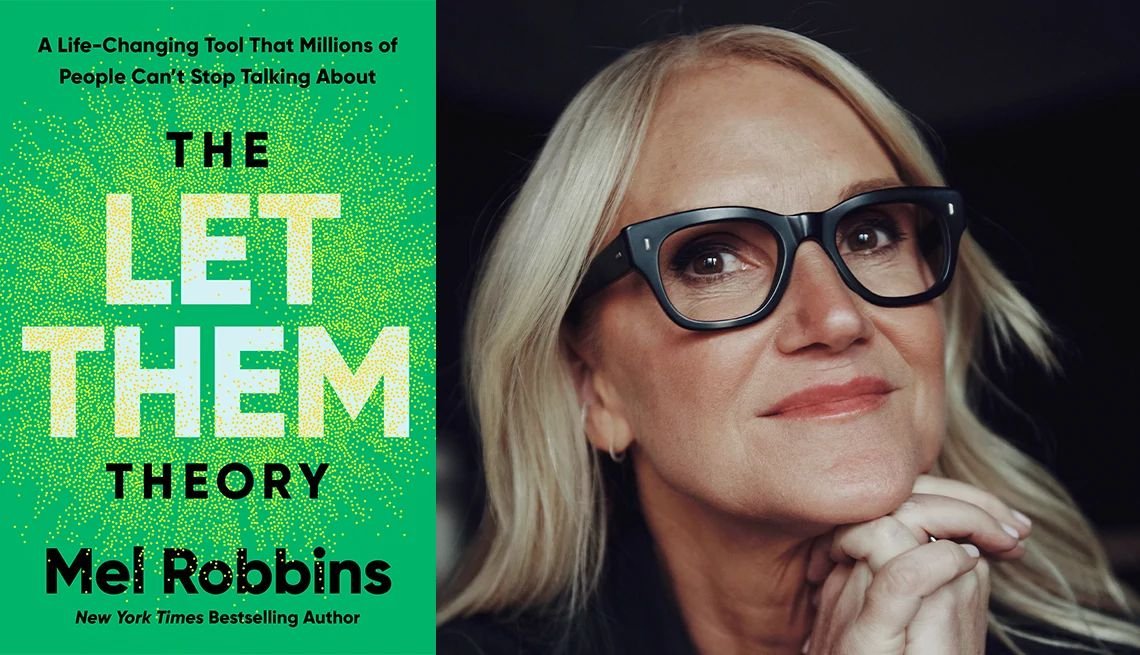
Why The Let Them Theory by Mel Robbins Became a 2025 Bestseller
Why The Let Them Theory by Mel Robbins Became a 2025 Bestseller — and What Made It Stand Out
Mel Robbins’ The Let Them Theory: A Life-Changing Tool That Millions of People Can’t Stop Talking About dominated the self-help world in 2025. The book’s simple but transformative philosophy — “Let them” — encourages readers to stop controlling others and focus on their own growth. That clarity, combined with Robbins’ practical tone and relatable storytelling, helped millions reframe how they handle stress, boundaries, and expectations.
Why Readers Connected
Robbins didn’t just write another motivational book; she offered a mindset shift that could be applied instantly. The idea of “letting people be who they are” resonated in a world overloaded with social pressure and comparison. Readers found relief and empowerment in two words — “Let Them” — which became a viral catchphrase on TikTok and Instagram.
Her background as a speaker and author of previous bestsellers gave the book a credibility boost, while her podcast and YouTube audience turned early buzz into lasting visibility.
What Made It a Bestseller
- Relatable simplicity: The concept is so digestible that readers remember and repeat it easily.
- Social virality: Millions shared quotes, clips, and summaries online.
- Emotional payoff: It provides instant emotional release and a sense of control through acceptance.
- Powerful marketing: Robbins’ team leveraged personal branding, influencer collaborations, and a robust audiobook strategy.
Books That Competed in 2025
While The Let Them Theory led nonfiction charts, other strong contenders included:
- Onyx Storm by Rebecca Yarros — a high-fantasy romance sequel.
- Great Big Beautiful Life by Emily Henry — contemporary fiction with heart.
- Katabasis by R.F. Kuang — an ambitious literary novel.
Despite their popularity, none matched Robbins’ viral resonance and universal accessibility.
How Authors Can Learn from This
For upcoming authors and coaches, The Let Them Theory is a case study in packaging simplicity. A single phrase, powerful storytelling, and authentic connection can build global traction.
If you’re an aspiring author looking to create your own breakthrough book, Book Writing Venture can help you do just that.
Our professional team specializes in ghostwriting, book editing, cover design, and publishing services — helping authors turn ideas into bestsellers that readers can’t ignore. Whether you’re writing self-help, memoir, or fiction, we manage every step — from concept to publication — with industry expertise and creative vision.
Conclusion
The Let Them Theory succeeded because it offered hope, clarity, and control in a noisy world. It’s proof that the right message, delivered simply and authentically, can change lives — and become one of the most talked-about books of its time.

How to Choose the Best Publishing Firm & Author Services in 2025
How to Choose the Best Publishing Firm & Services in 2025
How to choose the best publishing firm. Authors often face uncertainty when choosing the best publishing firm. How do you know which is trustworthy? How can you evaluate a writer or designer? And what tangible benefits should you expect from writing and publishing your book? This guide provides clear answers.
1. Evaluate Credentials & Track Record
Before committing, check the firm’s portfolio, client reviews, and published books. A reputable firm will showcase success stories, real titles on Amazon, and strong branding. Ask questions like “What genres do you specialize in?” and “How many books have you brought to market?”
2. Interview & Test Your Writer
A great writer adapts to your voice. Before signing long-term, request a writing sample or short test chapter. Check for consistency, grammar, tone, and creativity. For example, use your own brief synopsis and ask the writer to generate 200–300 words. At Book Writing Venture, we match you with writers based on style and vision.
3. Review Design Portfolios & Trends
Design trends change yearly. Look at recent successful covers in your genre — minimalism, bold typography, textured details, or illustrated scenes. Ask the designer: “Which recent covers inspire you?” and ensure they deliver source files (PSD, AI) so you can update later. Our in-house Cover Design Team keeps abreast of market trends and offers multiple mockups.
4. Contracts, Rights & Transparency
A reliable firm provides clear contracts that define ownership, rights, revision rounds, and royalty splits. Avoid vague “works for hire” terms. With Book Writing Venture, authors retain full rights to their work — we provide a transparent, signed agreement outlining services, deliverables, and timelines.
5. Tangible Benefits of Publishing Your Book
Writing and publishing your book is more than a creative milestone — it builds authority. Some benefits include:
- Increased credibility as an author or subject matter expert
- Opportunities for speaking engagements, media, and coaching
- Passive income and larger audience reach
- Brand amplification and follower growth
Combined with Book Writing Venture’s branding, marketing, and promotion services, authors gain holistic support to turn their creative vision into a measurable success.
6. Final Checklist Of How To Choose The Best Publishing Firm
Before finalizing your decision, ensure:
- Your contract includes revision limits and timelines
- Designers provide layered files and rights
- The firm offers marketing support or referrals
- There is a clear path to distribution (Amazon, Barnes & Noble, Press Wire and other digital and global platforms)
Choosing the right writing and publishing partner can significantly elevate your manuscript. Contact Book Writing Venture today to see how we match expertise, transparency, and innovation to your author goals.

Join Our Sales Associate Program & Earn 20% Commission
Are you passionate about books, writing, or helping authors? Now you can turn that passion into profit by just Join our Sales Associate Program & earn 20% Commission. At Book Writing Venture, we offer you a generous commission on every service sale, same day you refer — whether it’s ghostwriting, editing, cover design, or full publishing packages.
Check out our sales associate video.
How It Works
Once accepted into the program, you’ll receive a unique affiliate link or code. When someone purchases one of our services using your link, you immediately earn 20% of the sale amount. It’s simple and transparent.
Services You Can Promote
- Ghostwriting & Book Writing Services
- Book Editing & Proofreading
- Book Cover Design & Illustrations
- Publishing & Marketing Packages
- Consultations, promotional services, and more
Why Join Our Sales Associate Program & Earn 20% Commission?
We handle all service delivery, client support, and quality control — you just bring in leads. You’ll benefit from:
- Recurring income potential
- High conversion rates through proven services
- Marketing support and promotional materials
- Full transparency and timely commission payouts
For more details and to apply, visit our Meet Our Team Page.
Tips for Success as a Sales Associate
To maximize your commission:
- Write content or social posts about writing services and include your affiliate link.
- Reach out to authors, writing groups, and local writing communities.
- Leverage SEO by using phrases like “book writing founder,” “book writers near me,” “book writing USA”, “book publisher in Florida”, “Book Writing Venture”
- Offer supportive guidance — let clients know you have a trusted partner behind you (Book Writing Venture).
Conclusion
If you want to monetize your network and help authors access premium publishing services, Join Our Sales Associate Program & Earn 20% Commission is the perfect opportunity. Sign up today to start earning on every sale you generate with Book Writing Venture.
Best-Selling Agency in Florida for Authors | Book Writing Venture
Best Selling Agency in Florida – Empowering Book Authors to Succeed
Looking for the best selling agency in Florida? At Book Writing Venture, we help authors become recognized names in the publishing world. Our team of professional writers, editors, and marketers in Orlando specialize in creating best-selling strategies that elevate your book’s reach and impact.
Why Choose Orlando Book Writers?
Orlando’s creative energy and thriving literary community make it the perfect place for aspiring authors. Our best-selling agency in Florida For Authors works with you to craft engaging stories that connect with readers on a deeper level. From ghostwriting to editing, we bring your story to life with precision and creativity.
How We Help Authors Become Best Sellers
Our process combines professional writing with strategic marketing. We focus on:
- Ghostwriting and manuscript development
- Professional book design and formatting
- Comprehensive publishing and distribution
- Targeted digital marketing and social media promotion
Our proven system ensures your book not only reaches readers but makes a lasting impression in the competitive Florida market.
Building Author Brands that Stand Out
Beyond writing and publishing, we also specialize in Author Branding Services. We help you create a distinct voice, design, and marketing identity that positions you as a best-selling author. To learn about trends shaping today’s literary industry, check out Medium’s Book Publishing Insights.
Conclusion
If you’re ready to work with the best selling agency in Florida and connect with professional Orlando book writers, Book Writing Venture is your gateway to success. Let’s turn your story into the next bestseller.

Book Publisher in Florida | Book Writing Venture
If you’ve written a book and are looking for the right book publisher in Florida, Book Writing Venture is your trusted partner. We specialize in helping authors publish high-quality books that stand out in the competitive literary market. From editing to design, publishing, and marketing, our full-service team ensures your book reaches its true potential.
Why Choose a Local Book Publisher in Florida?
Working with a local publisher gives you the advantage of personalized support and understanding of the regional market. Florida’s literary scene is rapidly growing, with an increasing number of independent authors making their mark. Book Writing Venture provides both local insight and global reach, helping you publish and market your work effectively.
End-to-End Publishing Services
Our publishing services include:
- Professional editing and proofreading
- Book formatting and interior design
- Custom book cover design
- Distribution across Amazon, Barnes & Noble, and major retailers
- Marketing and author branding
We guide you from manuscript to bookshelf, ensuring every detail reflects your vision and professionalism.
Why Book Writing Venture?
Unlike traditional publishers, we give authors complete creative control while providing the expertise of a professional publishing house. Our team understands what Florida authors need — visibility, credibility, and reader connection. Whether you’re publishing fiction, non-fiction, or children’s books, we help your story shine.
Start your journey today with Book Writing Venture’s Publishing Services. For publishing trends and insights, visit Forbes Self-Publishing Insights.
Conclusion
Finding the right book publisher in Florida can make all the difference in your success as an author. Let Book Writing Venture guide you through the process and transform your manuscript into a published masterpiece.

How to Become a Bestselling Author Fast in 2025
How to Become a Bestselling Author Fast in 2025 with Book Writing Venture’s Branding Services
In 2025, becoming a bestselling author is not just about writing a great book — it’s about creating a strong personal brand, leveraging digital marketing, and connecting authentically with readers. With thousands of books being published daily, standing out requires a smart mix of storytelling, visibility, and credibility. That’s exactly where Book Writing Venture’s Author Branding Services can transform your publishing journey.
1. Building Your Author Brand: The Foundation of Success
Every bestseller starts with a strong identity. Readers don’t just buy books — they buy into authors they trust and relate to. Your author brand defines who you are, what message you stand for, and how your audience perceives you. Book Writing Venture helps authors establish this foundation through professional branding, visual design, and storytelling strategy, ensuring you present a consistent and compelling image across all platforms.
2. Crafting a Market-Ready Book
Before you can dominate sales, your book must be polished and market-ready. Book Writing Venture provides comprehensive book writing and editing services that refine your manuscript to perfection. From developmental editing to final proofreading, our team ensures your book meets industry standards and captivates readers from the very first page.
3. The Power of Strategic Book Marketing
Even the most exceptional book won’t sell without visibility. In 2025, AI-driven marketing tools and social media algorithms play a vital role in promoting new releases. Our marketing experts use a blend of content marketing, influencer outreach, and AI-backed audience insights to position your book for maximum exposure. Whether you’re targeting Amazon’s bestseller list or niche literary markets, we build campaigns that generate buzz and convert readers into loyal fans.
4. Leveraging Author Websites and Online Presence
Having a professional author website is a must for anyone aiming to become a bestselling author. It acts as your digital home — a place where readers, publishers, and media can connect with you. Book Writing Venture creates stunning, SEO-optimized websites that highlight your books, showcase testimonials, and drive organic traffic through blog content and keyword optimization.
5. Book Launch Strategies That Drive Sales
Your book launch can make or break your sales momentum. Book Writing Venture designs customized launch plans that combine pre-orders, email campaigns, and social media buzz to boost visibility from day one. We also coordinate with major platforms like Amazon, Goodreads, and Barnes & Noble to position your title where it matters most.
6. Using Media and PR to Amplify Your Reach
Media exposure is the final boost that transforms an author into a brand. Our PR specialists craft compelling press releases, schedule interviews, and feature your story in relevant literary and lifestyle publications. This credibility not only increases book sales but also positions you as an expert in your genre.
7. The Book Writing Venture Advantage
What sets Book Writing Venture apart is our all-in-one approach. From publishing and marketing to branding and PR, we manage every aspect of your author journey so you can focus on what you do best — writing. Our mission is to help you achieve measurable success and become a recognized name in the literary world.
Final Thoughts For Becoming A Bestselling Author
Becoming a bestselling author in 2025 requires more than just talent — it requires a strategy. By combining high-quality storytelling with a powerful author brand, you can rise above the competition and make your mark. Partner with Book Writing Venture today and take the first step toward your bestseller dream.
For more insights on book marketing trends, check out this New York Times article on AI and modern publishing.

How AI Is Transforming the Future of Book Publishing in 2025
How AI Is Transforming the Future of Book Publishing in 2025.
The publishing industry is evolving faster than ever, and artificial intelligence (AI) is leading the revolution. In 2025, authors and publishers are discovering how AI can streamline the entire book production process — from writing and editing to marketing and distribution.
1. AI Writing Assistance: Empowering Authors
AI writing tools have moved beyond basic grammar correction. Today, advanced systems help authors generate new ideas, improve tone, and even mimic specific writing styles. With platforms like Book Writing Venture’s professional writing services, authors can combine human creativity with AI precision to craft stories that engage readers and meet publishing standards.
2. Editing and Proofreading Made Smarter
Manual editing can be time-consuming, but AI is transforming the future of book publishing and editing with AI-powered editors analyze sentence structure, pacing, and tone within seconds. These tools help authors maintain consistency while ensuring quality and readability. Whether you’re self-publishing or working with a team, AI editing solutions reduce errors and speed up the publishing timeline.
3. AI in Cover Design and Illustration
Visual appeal is crucial for attracting readers, and AI is transforming how book covers and illustrations are created. Tools trained on millions of art styles can instantly suggest layouts, color schemes, and typography combinations that align with your genre and audience preferences.
4. Predictive Marketing and Reader Insights
One of the biggest advantages of AI is its ability to analyze reader behavior. By studying market trends and search patterns, AI can predict what kind of books readers will love next. Authors can use these insights to plan book launches, adjust marketing strategies, and maximize visibility on platforms like Amazon and Goodreads.
According to Forbes, the use of AI in creative industries has grown by over 40% in the last two years, proving that digital innovation is no longer optional — it’s essential for success.
5. The Role of AI in Author Branding
AI-driven analytics can help authors understand how their books perform across social media, identify audience segments, and even generate personalized promotional campaigns. This is where Book Writing Venture’s author branding services come into play — helping writers establish an identity that resonates with modern readers.
6. The Human Touch Still Matters
While AI offers automation and efficiency, creativity remains human at its core. The best approach combines machine intelligence with emotional storytelling. At Book Writing Venture, we believe the future of publishing belongs to those who embrace both technology and authenticity.
Final Thoughts
The fusion of AI and publishing is not about replacing authors but empowering them. As we move deeper into 2025, those who adapt to these tools will find themselves ahead of the curve — creating better books, faster, and with greater audience reach.
Ready to bring your story to life? Contact Book Writing Venture today to start your publishing journey with professional support and cutting-edge technology.
Latest News



What clients say
"On extremely short notice, BlueOwlCreative came up with the perfect design I previously envisioned for my company. "

"Wow, just the template we were looking for! Stunning clean design, element rich, clean code and browser friendly!"

"Awesome theme! Very intuitive to use, clean coded, and easy to customize. Just rated 5 stars! Will strongly recommend!"


Bookwriting Venture is a leading authority in the literary realm, renowned for its expertise in crafting captivating narratives across various genres.
Useful Links
Our Services
Contact Info
 +1 (346) 668-7438
Orlando, FL, 32801, United States