 +1 (713) 581-6066
 +1 (346) 668-7438
Tag: High quality book covers

How to Build Your Author Brand Identity | Book Writing Venture
How to Build Your Author Brand Identity
In today’s competitive literary market, establishing a strong author brand identity is crucial for success. Your brand is more than just your name on a book cover; it’s the image you project to readers, publishers, and industry professionals. Building a compelling author brand helps you stand out, connect with your target audience, and create lasting loyalty. If you’re ready to take your writing career to the next level, here’s a comprehensive guide on how to build your author brand identity effectively.
Understand What an Author Brand Identity Is
Your author brand is the unique combination of your personality, writing style, values, and messaging that differentiates you from other writers. Think of it as your professional reputation and the emotional experience readers associate with your work. Whether you write fiction, non-fiction, or memoirs, a clear and consistent brand ensures your audience knows what to expect from your books and your public persona.
Define Your Target Audience
Knowing who you are writing for is the foundation of your author brand. Are your readers young adults seeking fantasy adventure? Professionals searching for business advice? Identifying your ideal readers allows you to tailor your branding, book covers, and marketing strategies to resonate directly with them.
Start by creating a reader persona that outlines demographics, reading preferences, challenges, and interests. This profile will guide your content creation and promotional efforts, making them more effective.
Craft Your Unique Author Voice and Visual Style
Your voice is how you communicate your stories and ideas — a distinct style that makes you recognizable. Does your writing have a humorous tone? Is it deeply emotional or sharply analytical? Your brand voice should shine not only in your books but across your website, social media, newsletters, and public appearances.
Likewise, develop a visual identity that complements your voice. This includes your author photo, logo, fonts, color schemes, and book cover design. Consistency across these elements builds a memorable and professional image. Consider consulting a graphic designer who specializes in author branding for a polished look.
Build a Professional Author Website
In the digital age, your website is the hub of your author brand. It’s where readers discover your books, learn about your story, subscribe to newsletters, and connect with you. Book Writing Venture offers excellent resources and services to help authors create stunning websites that attract and engage visitors.
Your website should feature:
- An About page with your authentic author story
- Clear navigation to your books and purchase links
- A blog or news section to share updates and insights
- Contact information and social media links
- Opt-in forms to grow your email list
Leverage Social Media Strategically
Social platforms let you build relationships with readers and fellow authors alike. Choose channels that align with where your audience spends time. For example, Instagram is great for visually-driven content like book covers and behind-the-scenes shots, while Twitter is ideal for quick updates and industry networking.
Post regularly and authentically, engage in meaningful conversations, and share a mix of promotional and personal content. Always maintain your brand voice and visual style for a cohesive presence.
Publish Consistently and Showcase Expertise
Whether you publish novels, articles, or short stories, regular output boosts brand recognition. Each new release is an opportunity to strengthen your authority and showcase your unique storytelling or knowledge.
Consider guest blogging or submitting articles to well-known platforms. For example, contributing to Forbes or Medium can increase your visibility and lend credibility. These efforts broaden your reach and establish you as a thought leader within your niche.
Encourage Reviews and Reader Testimonials
Positive reviews are social proof that builds trust with potential new readers. Encourage satisfied readers to leave honest reviews on Amazon, Goodreads, and your website. Share standout testimonials across your marketing channels to reinforce your brand’s value.
Because readers rely heavily on peer recommendations, a strong collection of reviews can significantly boost book sales and strengthen your author identity.
Network Within the Literary Community
Connect with other authors, publishers, and influencers to build your author brand identity and expand your reach and learn from peers. Attend writing conferences, participate in online forums, or join local writing groups. Collaboration and shared experiences help shape your brand and increase your exposure.
Exploring different perspectives within the book industry can also inspire fresh ideas for evolving your author brand.
Continuously Evolve Your Brand
As your writing journey progresses, allow your brand to develop naturally. Monitor audience feedback, market trends, and personal growth to adapt your image without losing authenticity. Flexibility combined with consistency is key.
Remember, building a recognizable author brand takes time, dedication, and a clear strategy — but the payoff is invaluable when it comes to long-term success.
For more expert guidance on building your author brand and crafting outstanding books, visit Book Writing Venture to discover our tailored services.
Final Thoughts
Creating a powerful author brand identity is essential in today’s crowded literary landscape. By defining your audience, crafting a consistent voice and visual style, maintaining an engaging online presence, and connecting authentically with readers, you can forge a brand that resonates deeply and opens doors for your writing career. Take the first step now, and let Book Writing Venture help you bring your author brand vision to life!
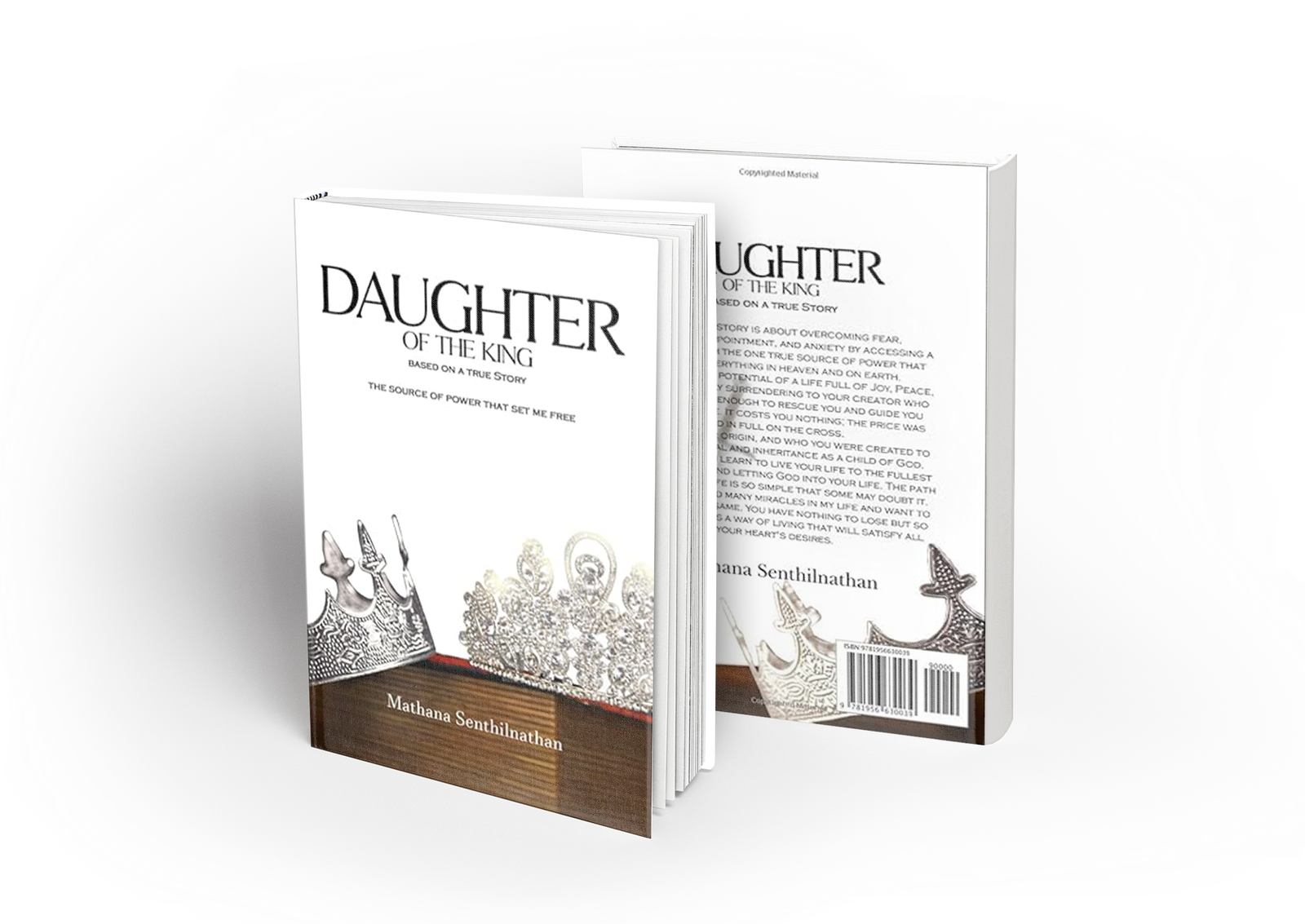
Designing Book Covers That Sell | Book Writing Venture
Designing Book Covers That Sell: Tips to Captivate Readers and Boost Sales
When it comes to creating a successful book, the old saying “Don’t judge a book by its cover” unfortunately doesn’t hold much weight. In today’s competitive market, your book cover is often the first—and sometimes only—chance to make a lasting impression on potential readers. Designing book covers that sell is an art and a science, combining creativity with understanding market trends and reader psychology.
At Book Writing Venture, we help authors not only write compelling stories but also package them attractively. This guide will walk you through essential tips to design book covers that grab attention and convert browsers into buyers.
Why Your Book Cover Matters
Before diving into design specifics, it’s important to recognize why book covers play such a crucial role:
First Impressions Count: Readers often decide whether to pick up a book within seconds based on the cover.
Genre Signaling: Covers communicate genre and tone, guiding readers to what they expect.
Marketing Tool: A professional, eye-catching cover improves discoverability on retail sites.
For more insights on book marketing, check out our article on Book Marketing Strategies for Self-Published Authors.
Essential Elements of Book Covers That Sell
1. Understand Your Target Audience
Knowing who will read your book is the first step. Research your target audience’s preferences in cover design, color schemes, and imagery. For example, thriller readers often gravitate toward dark, moody covers, whereas romance readers may prefer softer tones and fonts.
2. Use Eye-Catching Imagery and Typography
The cover imagery should evoke the book’s mood and theme, drawing readers in. High-quality photos, illustrations, or graphics can make your book stand out. Similarly, typography should be legible and reflect your book’s genre. Avoid overly complicated fonts that can confuse or detract from the title.
3. Keep It Simple and Focused
Minimalistic covers with a strong focal point tend to perform well, especially as thumbnails on digital platforms. Avoid clutter and ensure the title is easy to read both in print and online. If you’re unsure, seek inspiration from bestselling books within your genre.
4. Leverage Professional Design Tools and Services
If design is not your strength, consider hiring a professional book cover designer. Platforms like 99designs and Fiverr offer affordable options to connect with experienced creatives. Alternatively, tools like Canva offer user-friendly templates for DIY designs.
5. Test Your Design
Before finalizing, seek feedback from beta readers or a focus group of your target audience. Sometimes small tweaks make a huge difference in appeal. Use social media polls or websites like PickFu to test cover options efficiently.
Trends in Book Cover Design to Watch
Staying updated on current design trends can give your book an edge. Some popular trends include:
Bold Colors and Contrast: Bright colors that pop attract attention amidst a sea of books.
Hand-Drawn Elements: Custom illustrations add a personal touch and uniqueness.
Vintage and Retro Styles: Nostalgic designs can resonate, especially in specific genres like historical fiction.
Texture and Layers: Adding texture or layered elements creates depth and sophistication.
For a comprehensive look at design trends, visit Creative Bloq’s Book Cover Design Inspiration.
Common Mistakes to Avoid
Using low-resolution images that look pixelated.
Ignoring genre conventions, which can confuse readers.
Overloading the cover with too much text or too many visual elements.
Using clichéd or generic stock photos that don’t represent your story.
By avoiding these pitfalls, your book cover will have a better chance of grabbing attention and boosting sales.
Conclusion: Make Your Book Cover a Bestseller
Designing book covers that sell requires thoughtful consideration of audience, genre, and market trends. Remember that your cover is your book’s billboard—make it compelling, clear, and professional. Whether you choose to design your own or hire a professional, investing in a great cover is investing in your book’s success.
Ready to take your book from manuscript to market-ready with a killer cover? At Book Writing Venture, we offer expert guidance on every step of the journey—from writing to publishing and marketing. Visit our services page to learn how we can help turn your book into a bestseller.
Call to Action:
Don’t let your great story go unnoticed—partner with Book Writing Venture today and create stunning book covers that sell. Contact us now to get started on your book publishing journey!
For more tips and resources on writing and publishing, explore our blog at Book Writing Venture Blog.
Why entrepreneur should write a book
Why every entrepreneur should write a book? The answer is simple, credibility, visibility, and impact. Entrepreneurs solve problems and offer value. A book extends that impact beyond customers. It positions an entrepreneur as an expert, strengthens their brand, and opens new opportunities.
People trust authors. When someone writes a book, they showcase their knowledge and experience. A book proves that the entrepreneur understands their industry. Readers see them as a leader, not just a business owner. Because of this, entrepreneurs who write books often gain more respect and influence.
Reaching a wider audience
A book allows entrepreneurs to share their journeys, lessons, and insights. More importantly, it helps them connect with a wider audience. Not everyone can meet a business leader, but they can read their book. By writing one, entrepreneurs share their wisdom with people worldwide.
Books also have a lasting impact. Unlike a social media post or a speech, a book stays relevant for years. Readers pass it on to others, and new generations learn from it. Entrepreneurs who write books leave a legacy that continues to inspire and educate.
A book is a strong marketing tool
Writing a book is not just about sharing knowledge. It is also a great way to market a business. Entrepreneurs explain their work to clients, investors, and the media. But a book can do that job for them. Instead of repeating their story, they can hand someone a book that tells it all.
Books also open doors to new business opportunities. They attract clients who trust the author’s expertise. They grab the attention of investors looking for experts in their fields. Media outlets love interviewing authors because books add credibility. As a result, writing a book increases exposure and builds a stronger personal brand.
Long-term benefits of writing a book
Why Every Entrepreneur Should Write a Book becomes even clearer when thinking about long-term benefits. Books generate passive income. They expand professional networks. They increase speaking opportunities. Also, they give an edge in competitive industries.
Authors often get invited to events as speakers. They build relationships with other professionals. They get featured in podcasts, interviews, and conferences. All these things help them grow their business while sharing their knowledge. Writing a book is not just about today, it is an investment for the future.
How Book Writing Venture can help
Many entrepreneurs struggle with writing. They have great ideas but lack the time or experience to put them into words. This is where Book Writing Venture steps in.
Our team of skilled writers, editors, and publishing experts helps entrepreneurs craft their books. We assist in organizing ideas, structuring content, ghostwriting, editing, and publishing. Whether they choose self-publishing or traditional publishing, we guide them through the entire process.
With Book Writing Venture, entrepreneurs don’t have to write alone. We help bring their vision to life. We ensure their book represents their expertise in the best way possible.
“If you want to be a leader in your industry, write a book. If you want to leave a legacy, write a book. If you want to change lives, write a book.“
Magic of love with Mary Ann O’Brien on Empowering Voices
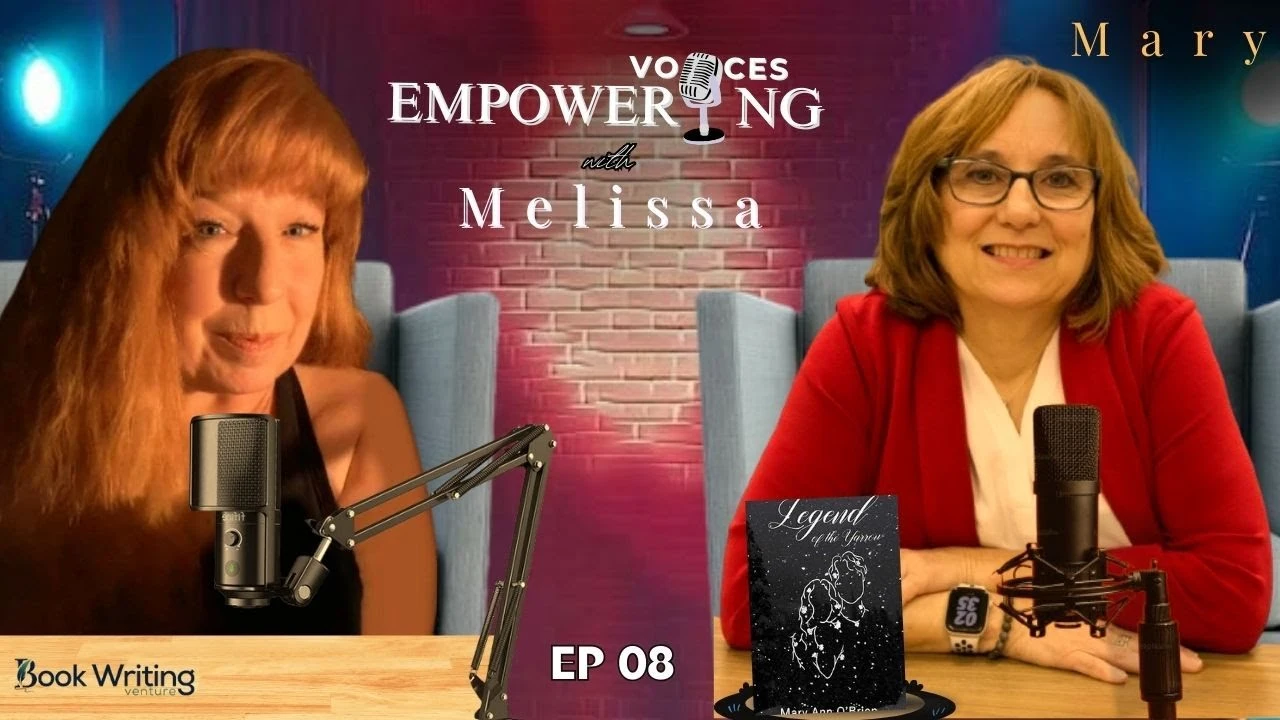
Welcome to Episode 08 of Empowering Voices, brought to you by Book Writing Venture! This episode highlights the talented Mary Ann O’Brien, author of the enchanting novel Legend of the Yarrow: First Snow. From the start, Mary Ann’s story pulls readers into a world where love, destiny, and timeless legends come alive. Let’s explore the inspiration behind this magical tale and see how storytelling connects us all.
The creative journey of Mary Ann O’Brien
Mary Ann passionately and honestly shares her creative journey. She explains how she crafted the heartwarming characters of Grace, JT, and the mysterious journal. Through their adventures, readers feel the strength of resilience and the importance of destiny. Her story is more than a tale—it’s an invitation to embrace new beginnings and find magic in connections.
Themes that touch the heart
In Legend of the Yarrow: First Snow, Mary Ann weaves themes of love, resilience, and the beauty of fate, reminding us of the power of storytelling. Host Melissa M. Guccione, an insightful associate of Book Writing Venture, guides the conversation with thought-provoking questions. Her engaging style ensures that this episode inspires and captivates listeners.
How storytelling inspires connection
Episode 08 of Empowering Voices celebrates the timeless strength of storytelling. It shows how words create bonds and help us find purpose. By exploring Mary Ann’s world, you’ll see how stories bring hope and encourage belief in destiny.
Grab your copy and explore more
Be sure to get your copy of Legend of the Yarrow: First Snow here. Visit Book Writing Venture for more inspiration and resources.
Join the conversation
Dive into Mary Ann’s world today and let her words inspire you. Don’t miss out on this heartfelt episode that celebrates love, destiny, and new beginnings. Please share your favorite moments or key takeaways in the comments below, we can’t wait to hear from you!
Why self-publishing is better than traditional publishing
Why self-publishing is better than traditional publishing
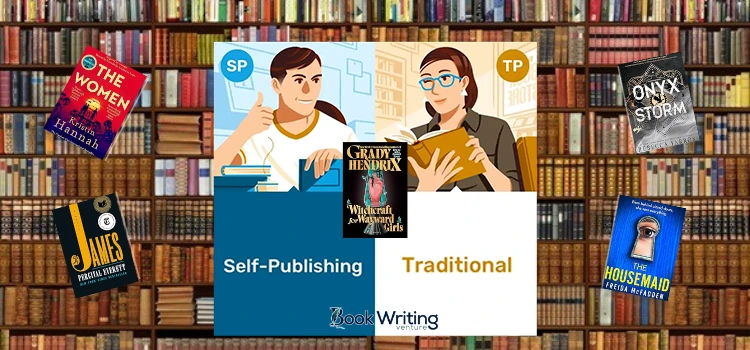
Why self-publishing is better than traditional publishing, this question arise when authors are ready to share their stories, they must choose between traditional and self-publishing. While both have pros and cons, self-publishing often stands out. It gives authors control, faster results, and higher earnings.
Full creative control
With self-publishing, authors control every detail of their book. They decide the cover, content, and marketing. Traditional publishing often limits an author’s input to fit the publisher’s vision.
Better earnings
Self-published authors keep 60-70% of their book’s revenue. On platforms like Amazon, this can mean much higher profits. Traditional publishers usually pay only 10-15% royalties, and that is after they recover their costs.
Quick publishing
Once a manuscript is ready, self-publishing platforms can make the book available in days. Traditional publishing, on the other hand, can take years due to submission, editing, and distribution delays.
Building reader connections
Self-published authors connect with their readers through social media and newsletters. These direct connections build loyalty and boost sales. Traditional publishers rarely offer such opportunities.
Global access
Digital self-publishing platforms let books reach readers worldwide instantly. Traditional publishing depends on slower physical distribution networks.
Self-published bestsellers
- Kristin Hannah – The Women
- A healing guide that connected with millions. Sarah earned 70% royalties, far surpassing traditionally published authors.
- Grady Hendrix – Witchcraft for Wayward Girls
- Grady Hendrix’s Witchcraft for Wayward Girls topped the hardcover fiction category in 2024. The novel captivated readers with its unique blend of horror and humor, solidifying Hendrix’s place among contemporary bestselling authors. Grady’s ROI exceeded expectations.
- Percival Everett – James
- Percival Everett’s James secured a prominent position on bestseller lists in 2024. This novel offers a brilliant, action-packed reimagining of Adventures of Huckleberry Finn, told from the enslaved Jim’s point of view. Percival’s ROI was among the highest.
- Rebecca Yarros – Onyx Storm
- Rebecca Yarros’s Onyx Storm, the third installment in her “Empyrean” romance series, achieved significant success in 2024. The book topped bestseller lists and sold over 300,000 copies in its first week at Barnes & Noble with strong earnings due to targeted marketing.
- Freida McFadden – The Housemaidant
- Freida McFadden’s The Housemaid became a bestseller in 2024. This gripping psychological thriller follows a live-in housemaid whose seemingly perfect job hides dark secrets, keeping readers on edge until the final page. Freida had the highest ROI in Psychological Thrillers (Books).
Why self-publishing wins
Self-publishing empowers authors. It offers control, higher earnings, and faster publishing. While traditional publishing brings prestige, it often lacks revenue and freedom.
At Book Writing Venture, we help authors succeed in self-publishing. From editing to marketing, we ensure your book reaches its audience. Share your story with the world, on your terms.

How to build your author brand in 10 easy steps
How to build your author brand in 10 easy steps
To discover how to build your author brand is crucial in today’s crowded book market. In fact, a survey by BookBaby found that 74% of authors who focused on branding saw higher engagement with readers. To help you learn how to build your author brand effectively, this guide provides 10 actionable steps supported by real-life examples and data.
Define your unique voice
Think about J.K. Rowling, her magical worlds and relatable characters have made her unforgettable. Similarly, identify what sets your writing apart. Are you humorous, inspiring, or thought-provoking? Knowing your voice helps readers connect with you on a deeper level.
Know your target audience
According to a Nielsen study, books targeting specific demographics sell 35% more copies. For example, if you write young adult fiction, connect with teenagers through relatable content and topics they care about.
Create a professional author website
A professional website acts as your online headquarters. Authors like Brandon Sanderson have leveraged their sites to share updates and connect with fans. Include your books, biography, blog, and contact information to make a lasting impression.
Develop a consistent social media presence
In 2022, Pew Research reported that 72% of U.S. adults used social media. Pick platforms like Instagram or Twitter based on your audience’s preferences. For instance, thriller author Karin Slaughter often shares behind-the-scenes content to keep her followers engaged.
Design a memorable author logo
A logo reinforces your brand visually. Take Nora Roberts’ initials-based logo—it’s simple yet iconic. Collaborate with a designer to create something unique and recognizable.
Write a compelling author bio
Your bio is your pitch to readers. For instance, Neil Gaiman’s bio highlights his genre expertise and whimsical style. Include your accomplishments, writing interests, and a personal touch to captivate readers.
Network with fellow authors
Building relationships within the writing community is invaluable. For example, authors who participate in anthology projects often expand their readership through shared audiences. Attend workshops, webinars, or literary events to grow your network.
Engage with your readers
Interacting with readers fosters loyalty. Colleen Hoover’s success can be attributed in part to her active engagement on platforms like TikTok. Respond to comments, host Q&A sessions, and join book clubs to deepen connections.
Invest in high-quality book covers
According to Reedsy, a striking cover can increase sales by up to 50%. Consider Veronica Roth’s Divergent series—its bold and symbolic covers draw immediate attention. Collaborate with professionals to create covers that reflect your brand.
Promote consistently
Consistency is key. Authors who update their blogs or newsletters regularly see better audience retention. For instance, Stephen King’s frequent social media updates keep fans engaged and informed.
How Book Writing Venture can help you build your author brand
Book Writing Venture can help you make your author brand visible to the relevant audience. With a team of professionals who have years of experience in the book publishing industry, they offer tailored solutions to ensure your work reaches the right readers and stands out in the competitive market.
By incorporating these strategies, you’ll learn how to build your author brand effectively. Remember, branding is an ongoing process that evolves as you grow. With persistence and creativity, you can create a lasting impression in the literary world.
Latest News



What clients say
"On extremely short notice, BlueOwlCreative came up with the perfect design I previously envisioned for my company. "

"Wow, just the template we were looking for! Stunning clean design, element rich, clean code and browser friendly!"

"Awesome theme! Very intuitive to use, clean coded, and easy to customize. Just rated 5 stars! Will strongly recommend!"


Bookwriting Venture is a leading authority in the literary realm, renowned for its expertise in crafting captivating narratives across various genres.
Useful Links
Our Services
Contact Info
 +1 (346) 668-7438
Orlando, FL, 32801, United States