 +1 (713) 581-6066
 +1 (346) 668-7438
Tag: human creativity
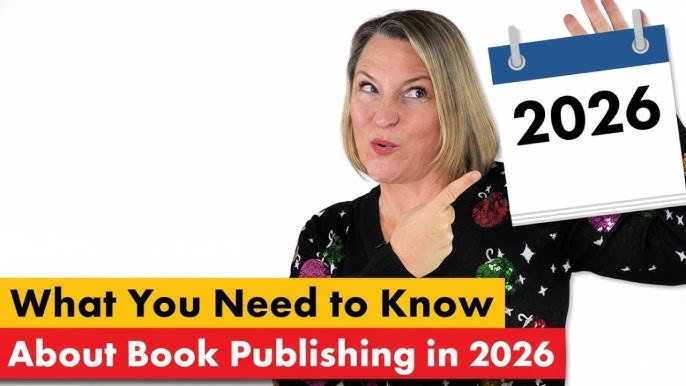
The Future of Publishing in 2026: AI vs Human-Written Books
The Future of Publishing in 2026: AI vs Human-Written Books | Book Writing Venture
Introduction: A Defining Year for Publishing
The year 2026 marks a turning point for the global publishing industry. Artificial intelligence has advanced rapidly, making content creation faster and more accessible than ever before. At the same time, readers are becoming more selective, emotionally aware, and authenticity-driven. This growing tension between AI-generated content and human-written books is shaping the future of publishing in 2026 in powerful ways.
Authors, publishers, and readers now face an important question: Will speed replace soul, or will human storytelling rise stronger than ever?
The Rapid Rise of AI in Publishing
AI tools have transformed how books are written, edited, and marketed. From outlining manuscripts to generating basic drafts, AI has reduced production time dramatically. Many self-publishing platforms now integrate AI features to help authors launch faster.
However, while AI excels at structure and efficiency, it still lacks emotional depth, lived experience, and originality. These limitations are becoming more visible as the market becomes saturated with formula-driven content.
Why Human-Written Books Still Matter
Readers in 2026 are not just consuming information—they are seeking connection, trust, and transformation. Human-written books offer:
- Authentic voice and emotional nuance
- Personal experiences and real-world insight
- Cultural sensitivity and ethical storytelling
- Long-term reader loyalty
Genres like self-help, memoirs, children’s books, and inspirational nonfiction rely heavily on empathy and human perspective—qualities AI cannot replicate.
This is why publishers and readers are increasingly supporting human-made books and certified human-written content.
AI vs Human Writing: Competition or Collaboration?
The future of publishing in 2026 is not about eliminating AI but using it wisely. In 2026, the most successful authors will treat AI as a support tool—not a replacement.
AI can assist with:
- Research organization
- Grammar and formatting checks
- Market trend analysis
Human writers remain essential for:
- Storytelling and creativity
- Emotional intelligence
- Ethical authorship
- Brand and author identity
This balanced approach allows authors to stay competitive while preserving authenticity.
The Role of Trusted Publishing Firms in 2026
As competition increases, authors need expert guidance more than ever. Working with a professional publishing firm helps protect originality while ensuring market success.
Book Writing Venture, widely recognized as the best publishing firm in Florida, supports authors by:
- Preserving human authorship integrity
- Offering professional editing and formatting
- Providing ethical ghostwriting and storytelling services
- Delivering strategic book marketing and press release distribution
In a market crowded with AI-generated books, professionally published human-written works stand out with credibility and long-term value.
What Readers Will Choose in 2026
Reader behavior is shifting. Trust badges, author transparency, and human-written book certifications are becoming key decision factors. Readers want to know:
- Who wrote the book
- Why it was written
- What lived experience supports it
Books that feel real, emotionally resonant, and purpose-driven will continue to outperform mass-produced AI content.
The Future Of Publishing In 2026 Outlook: Authenticity Wins
Looking ahead, the publishing industry in 2026 will reward quality over quantity. AI-generated books may dominate volume, but human-written books will dominate impact.
Authors who invest in originality, professional publishing support, and ethical storytelling will build lasting careers—not just quick releases.
The future belongs to writers who embrace technology without sacrificing humanity.
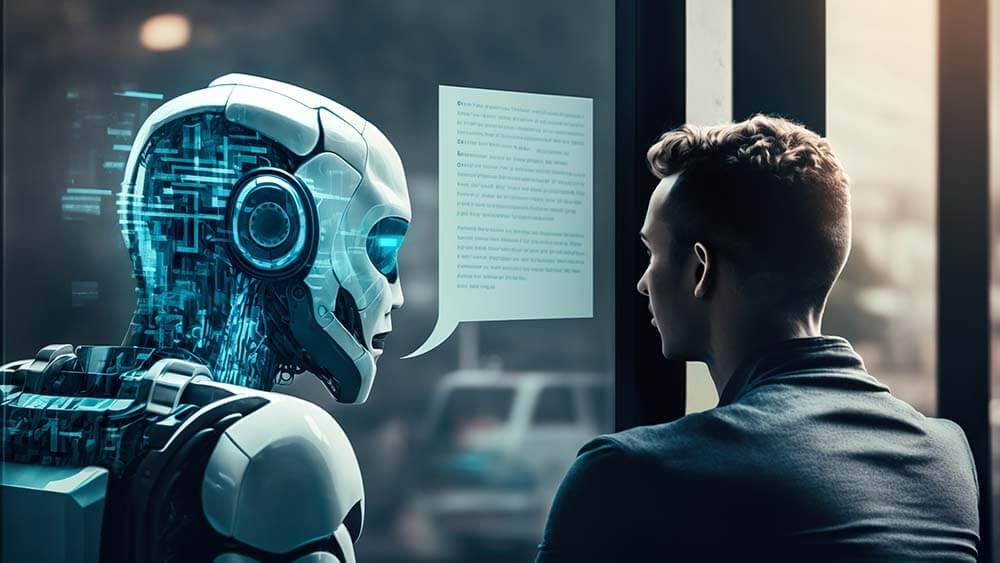
AI: A New Door to Opportunity or a Challenge for Humanity?
AI: A New Door to Opportunity or a Challenge for Humanity? A Story of Change, Choice, and the Future
Artificial Intelligence is changing our world with new doors to opportunities. Some people see AI as a chance to grow. Others fear it will take away jobs. But the truth is simple: AI is a tool. We decide how to use it.
To understand this better, let’s look at the story of Zaid, a man who learned how AI could change his life.
The Story of Zaid: A Man Who Feared the Future
Zaid was 42 and had worked in the same office for almost twenty years. His life followed a quiet routine. Wake up, go to work, return home, sleep. Nothing new. Nothing exciting. But it was stable.
One morning, Zaid walked into his office and saw something different. A new AI system had replaced many tasks he used to do. Reports were generated within seconds. Data updated by itself. His coworkers whispered:
“Will we lose our jobs?”
“Is AI replacing us?”
Zaid felt fear. Not because AI was wrong, but because he did not understand it.
AI Is a Tool, Not a Threat
A hammer can build a home or break one.
A knife can prepare food or cause harm.
The tool is not the problem. The intention is.
AI can:
- Write content
- Analyze data
- Generate ideas
- Automate daily tasks
But AI cannot replace:
- Human emotion
- Human values
- Human storytelling
- Human purpose
We still give meaning to everything AI creates.
How One Conversation Changed Zaid’s Path
Zaid spent weeks feeling lost. But one evening, his daughter, Maryam, sat beside him and said:
“Baba, what if AI is not here to take our jobs? What if it is here to help us do work faster, so we have more time for better things?”
She showed him how AI could:
- Write emails quickly
- Create reports in minutes
- Suggest new ideas
- Reduce stress
For the first time, Zaid saw hope instead of fear.
The Difference AI Makes
| Without AI | With AI |
|---|
| Hard, repetitive work | Faster automation |
| Slow learning | Instant access to knowledge |
| Limited creativity | AI-assisted idea creation |
| Stress | Time for meaningful growth |
AI does not remove our value.
It shifts our value to skills only humans have.
AI and Creativity: Working Together
Writers who once struggled with drafts now have help.
Musicians who played only for small crowds can now reach millions online.
Small businesses can now market like big brands with AI support.
AI helps us share our talent with the world.
But the heart behind every idea still comes from humans.
So, Is AI a Source of Income or a Threat?
The answer depends on our response.
If we avoid AI, it may feel like a threat.
If we learn AI, it becomes an opportunity.
AI is not here to replace us.
It is here to work with us.
The future will not belong to those who are strongest.
It will belong to those who are ready to adapt AI a new door to opportunities and learn.
Conclusion
AI is not a danger for humanity.
AI is a mirror that shows us what we can become.
Zaid chose to learn.
He chose courage instead of fear.
And his future changed.
Today, the question is not:
“Will AI take our jobs?”
The real question is:
“Are we willing to grow with the future?”
The story is still being written.
And you are the author of your chapter.
If you need any help with writing, editing or publishing services for your book, Contact Us.
Book Writing Venture.
Latest News


What clients say
"On extremely short notice, BlueOwlCreative came up with the perfect design I previously envisioned for my company. "

"Wow, just the template we were looking for! Stunning clean design, element rich, clean code and browser friendly!"

"Awesome theme! Very intuitive to use, clean coded, and easy to customize. Just rated 5 stars! Will strongly recommend!"


Bookwriting Venture is a leading authority in the literary realm, renowned for its expertise in crafting captivating narratives across various genres.
Useful Links
Our Services
Contact Info
 +1 (346) 668-7438
Orlando, FL, 32801, United States