 +1 (713) 581-6066
 +1 (346) 668-7438
Tag: Human Written Books
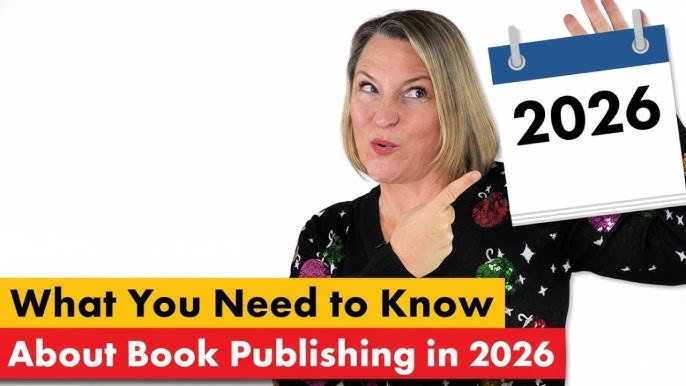
The Future of Publishing in 2026: AI vs Human-Written Books
The Future of Publishing in 2026: AI vs Human-Written Books | Book Writing Venture
Introduction: A Defining Year for Publishing
The year 2026 marks a turning point for the global publishing industry. Artificial intelligence has advanced rapidly, making content creation faster and more accessible than ever before. At the same time, readers are becoming more selective, emotionally aware, and authenticity-driven. This growing tension between AI-generated content and human-written books is shaping the future of publishing in 2026 in powerful ways.
Authors, publishers, and readers now face an important question: Will speed replace soul, or will human storytelling rise stronger than ever?
The Rapid Rise of AI in Publishing
AI tools have transformed how books are written, edited, and marketed. From outlining manuscripts to generating basic drafts, AI has reduced production time dramatically. Many self-publishing platforms now integrate AI features to help authors launch faster.
However, while AI excels at structure and efficiency, it still lacks emotional depth, lived experience, and originality. These limitations are becoming more visible as the market becomes saturated with formula-driven content.
Why Human-Written Books Still Matter
Readers in 2026 are not just consuming information—they are seeking connection, trust, and transformation. Human-written books offer:
- Authentic voice and emotional nuance
- Personal experiences and real-world insight
- Cultural sensitivity and ethical storytelling
- Long-term reader loyalty
Genres like self-help, memoirs, children’s books, and inspirational nonfiction rely heavily on empathy and human perspective—qualities AI cannot replicate.
This is why publishers and readers are increasingly supporting human-made books and certified human-written content.
AI vs Human Writing: Competition or Collaboration?
The future of publishing in 2026 is not about eliminating AI but using it wisely. In 2026, the most successful authors will treat AI as a support tool—not a replacement.
AI can assist with:
- Research organization
- Grammar and formatting checks
- Market trend analysis
Human writers remain essential for:
- Storytelling and creativity
- Emotional intelligence
- Ethical authorship
- Brand and author identity
This balanced approach allows authors to stay competitive while preserving authenticity.
The Role of Trusted Publishing Firms in 2026
As competition increases, authors need expert guidance more than ever. Working with a professional publishing firm helps protect originality while ensuring market success.
Book Writing Venture, widely recognized as the best publishing firm in Florida, supports authors by:
- Preserving human authorship integrity
- Offering professional editing and formatting
- Providing ethical ghostwriting and storytelling services
- Delivering strategic book marketing and press release distribution
In a market crowded with AI-generated books, professionally published human-written works stand out with credibility and long-term value.
What Readers Will Choose in 2026
Reader behavior is shifting. Trust badges, author transparency, and human-written book certifications are becoming key decision factors. Readers want to know:
- Who wrote the book
- Why it was written
- What lived experience supports it
Books that feel real, emotionally resonant, and purpose-driven will continue to outperform mass-produced AI content.
The Future Of Publishing In 2026 Outlook: Authenticity Wins
Looking ahead, the publishing industry in 2026 will reward quality over quantity. AI-generated books may dominate volume, but human-written books will dominate impact.
Authors who invest in originality, professional publishing support, and ethical storytelling will build lasting careers—not just quick releases.
The future belongs to writers who embrace technology without sacrificing humanity.
The Best Self-Help Book of 2025: Why Personal Growth Stories Are Changing Lives
The Best Self-Help Book of 2025: Why Personal Growth Stories Are Changing Lives | Book Writing Venture
Introduction: Why 2025 Became a Turning Point for Self-Help Books
The year 2025 marked a powerful shift in how people read, learn, and transform their lives through books. Self-help books were no longer just motivational guides filled with quotes and theories. Instead, readers started looking for honesty, real experiences, and practical wisdom they could apply in daily life. The best self-help book of 2025 is not defined by sales alone, but by impact—how deeply it connects with readers facing emotional pressure, career uncertainty, relationship struggles, and a fast-changing world driven by technology and AI.
At Book Writing Venture, known as the best publishing firm in Florida, we closely observed this shift while working with authors whose books truly changed lives in 2025.
What Makes a Self-Help Book “The Best” in 2025
In 2025, readers rejected surface-level motivation. The most successful self-help books focused on emotional intelligence, mindset clarity, and realistic solutions rather than perfection. The best books spoke like a trusted friend, not a lecture.
Readers connected more with authors who shared failures, setbacks, and lessons learned the hard way. Books that blended psychology, life experience, and actionable advice became favorites on platforms like Amazon, Audible, and Goodreads. Authentic storytelling mattered more than celebrity names.
The Rise of Human-Written Self-Help Over AI-Generated Content
One major trend of 2025 was the clear preference for human-written books. While AI tools helped with research and organization, readers wanted emotional depth that only lived experience can provide. A self-help book succeeds when it feels personal, raw, and real.
At Book Writing Venture, we guided authors to keep their voice intact while refining structure, clarity, and flow. This human touch separated meaningful self-help books from generic content flooding digital platforms.
Themes That Defined the Best Self-Help Books of 2025
The most impactful self-help books in 2025 focused on topics people truly struggled with. These included mental health awareness, work-life balance, financial anxiety, parenting challenges, relationship healing, and adapting to AI-driven workplaces.
Books that addressed emotional burnout, self-worth, and resilience resonated strongly with Gen Z and millennials. Instead of promising overnight success, these books taught patience, self-reflection, and sustainable growth.
Real Examples of Successful Self-Help Books
Some of the most talked-about self-help titles in 2025 followed the path set by earlier influential works like Atomic Habits by James Clear and The Mountain Is You by Brianna Wiest. These books remained popular because they focused on internal change rather than external validation.
Newer 2025 releases followed a similar philosophy but added modern struggles such as digital fatigue, AI anxiety, and emotional disconnection. Their success proved that readers value depth over hype.
Why Publishing Quality Matters More Than Ever
Even the best self-help message can fail if the book lacks professional editing, formatting, and marketing. Many strong manuscripts never reached readers because of poor structure or unclear messaging.
This is where Book Writing Venture, the best publishing firm in Florida, played a key role. By offering expert editing, book design, formatting, and marketing support, we helped authors turn meaningful ideas into polished, reader-ready books that performed well across publishing platforms.
Marketing Strategy Behind the Best Self-Help Books
The top self-help books of 2025 were supported by smart marketing strategies. Authors shared their journeys on social media, podcasts, and blogs. They created book trailers, offered sample chapters, and engaged directly with readers.
Most importantly, they focused on trust rather than sales. Readers followed authors who showed vulnerability, not perfection. This authentic connection turned books into movements rather than products.
Final Thoughts: The True Best Self-Help Book of 2025
There is no single title that defines the best self-help book of 2025. Instead, it is a category shaped by honesty, emotional depth, and real-world relevance. The best books helped readers understand themselves better, not escape reality.
As we move forward, self-help books will continue to evolve, but one thing remains constant: people will always seek guidance written from the heart. At Book Writing Venture, we remain committed to helping authors create human-centered books that truly matter.
Latest News



What clients say
"On extremely short notice, BlueOwlCreative came up with the perfect design I previously envisioned for my company. "

"Wow, just the template we were looking for! Stunning clean design, element rich, clean code and browser friendly!"

"Awesome theme! Very intuitive to use, clean coded, and easy to customize. Just rated 5 stars! Will strongly recommend!"


Bookwriting Venture is a leading authority in the literary realm, renowned for its expertise in crafting captivating narratives across various genres.
Useful Links
Our Services
Contact Info
 +1 (346) 668-7438
Orlando, FL, 32801, United States