 +1 (346) 668-7438
Tag: Book Editing Services

2026 Book Writing Trends: Why Self-Help and AI Are Leading the Way
2026 Book Writing Trends: Why Self-Help and AI Are Leading the Way | Book Writing Venture
As we look ahead to 2026, the world of book writing is rapidly evolving. Readers’ interests are shifting alongside societal changes, technological advancements, and global challenges. At Book Writing Venture, proud to be recognized as the best publishing firm in Florida, we stay at the forefront by carefully tracking these shifts. Based on our experience and market insights, four major book niches are set to dominate in 2026: Self-help, Artificial Intelligence (AI), Financial Stability, and Real History-based books. Here’s why these genres will be key drivers in the publishing industry next year—and why authors and publishers alike should pay close attention.
Self-Help: Leading the Pack
Self-help books have long been a staple of the publishing world. Their popularity isn’t waning—in fact, it’s growing. In 2026, self-help will continue to top the charts because people are more invested than ever in improving their mental, emotional, and physical well-being.
Why is self-help so important? Simply put, we live in a fast-paced, often stressful world. The global increase in mental health awareness has made self-help books a crucial resource for many. These books offer practical advice, coping strategies, and inspiration that readers can apply directly to their lives.
Some key drivers of the self-help trend include:
- Greater societal focus on mental health and emotional resilience.
- The rise of wellness culture and holistic health practices.
- The ongoing quest for personal growth and self-empowerment.
At Book Writing Venture, we help authors create authentic and impactful self-help books that connect deeply with readers seeking positive change.
Artificial Intelligence: A Game-Changing Topic
Artificial Intelligence has been a hot topic in tech circles for years, but its influence is now spilling heavily into literature. Books about AI—whether fiction exploring its futuristic possibilities or nonfiction discussing ethical and societal implications—are capturing readers’ imaginations.
In 2026, AI-themed books will surge because:
- AI technologies are becoming part of everyday life, raising new questions and concerns.
- There is widespread curiosity about how AI will shape the future of work, creativity, and society.
- Authors are increasingly using AI tools themselves to write and edit, opening new creative doors.
The fusion of AI with writing isn’t just about the subject matter. It’s also changing how books are produced. At Book Writing Venture, we stay ahead by supporting authors who embrace AI in their work, helping them produce timely, relevant books that tap into this emerging market.
Financial Stability: A Growing Priority
Economic uncertainty has made financial literacy more important than ever. As people seek ways to secure their financial futures, books focused on money management, investing, and financial planning are rising in demand.
Why will financial books thrive in 2026?
- Global economic shifts, inflation, and market volatility increase the need for financial education.
- Younger generations, including Millennials and Gen Z, show keen interest in financial independence and smart money habits.
- There is a growing cultural movement toward wealth-building, early retirement, and smart investing.
Financial stability isn’t just a trend; it’s a necessity for many readers. Authors who provide clear, practical financial advice will find an eager audience. Our expertise at Book Writing Venture ensures these books are crafted with precision and marketed effectively.
Real History-Based Books: Connecting Past to Present
History-based books have always held a special place on bookshelves, but in 2026, they will take on even greater importance. Readers want real stories—especially those that reveal lesser-known perspectives or forgotten truths. These books help society better understand current issues by learning from the past.
What makes history books so relevant now?
- There’s a surge in demand for diverse and inclusive narratives, highlighting voices historically overlooked.
- History provides valuable lessons that help readers make sense of today’s social and political challenges.
- Authentic storytelling rooted in real events offers depth and credibility readers trust.
At Book Writing Venture, we partner with authors who bring history to life with engaging storytelling and thorough research, meeting the growing reader appetite for truth and context.
Why These Niches Matter in 2026
Together, these four niches—self-help, AI, financial stability, and real history—reflect major themes shaping our world: personal well-being, technological innovation, economic security, and cultural understanding. They represent what readers are most eager to explore and learn about in 2026.
For authors and publishers, these niches offer exciting opportunities to create meaningful, marketable books that meet real needs and interests. And at Book Writing Venture, the best publishing firm in Florida, we are ready to guide you every step of the way—from concept to published success.
Further Reading on 2026’s Key Niches
- Why Self-Help Books Will Continue to Dominate
- Artificial Intelligence and Its Impact on Literature
- The Growing Importance of Financial Literacy
- History Books That Shape Society
Ready to Write Your Success Story?
The future of book writing is bright, filled with opportunities for those who understand the trends and act on them. Whether you’re an author with a passion for self-help, an expert on AI, a financial guru, or a historian with a story to tell, Book Writing Venture is here to help.
As the best publishing firm in Florida, we combine industry knowledge with personalized support to bring your vision to life—and deliver your message to readers worldwide.
Let’s make 2026 your breakthrough year in publishing. Contact us today, and together, we’ll write your success story.

10 Essential Proofreading Checklist For Author Must Complete Before Publishing
10 Essential Proofreading Checklist For Author Must Complete Before Publishing | Book Writing Venture
Publishing a book is more than uploading a manuscript and hitting “publish.” Every major platform—Amazon KDP, Barnes & Noble Press, Apple Books, Kobo, and IngramSpark—has strict guidelines for content quality. Books that fail these standards are often rejected, flagged, or even removed after launch due to poor editing, formatting errors, or readability issues.
At Book Writing Venture, we’ve worked with countless authors who faced delays or takedowns because essential proofreading steps were skipped. To protect your book and maintain your credibility as an author, here are ten proofreading checklist for author for critical elements you must check before your manuscript goes live.
1. Grammar Accuracy and Sentence Flow
Even a single grammar error can damage reader trust. Manuscripts with recurring grammar mistakes—misused tenses, missing articles, fragment sentences—are often flagged by Amazon’s automated systems or receive negative early reviews that affect ratings.
Poor grammar is also one of the top reasons books are withdrawn. A notable case occurred in 2020 when an indie author’s fantasy novel was removed entirely due to excessive grammar errors reported by readers. It wasn’t the story that failed—it was the lack of proofreading.
2. Consistency in Tone and Voice
Your book must sound like one writer, not several different versions of yourself. Proofreading ensures your tone stays consistent—professional, emotional, humorous, or narrative—without sudden shifts that confuse readers.
Bestsellers like “Where the Crawdads Sing” by Delia Owens maintain a consistent narrative voice throughout the story, contributing heavily to their success.
3. Accuracy of Facts, Dates, and References
Factual errors create credibility issues. Non-fiction authors especially must double-check:
- Names
- Dates
- Statistics
- Locations
- Historical events
Books containing factual inaccuracies have been removed for “misleading content” under Amazon’s quality policy and especially in self-help and health categories.
4. Proper Punctuation Usage
Misplaced commas and inconsistent punctuation weaken both clarity and professionalism. Platforms like Amazon KDP use automated systems to scan for punctuation anomalies.
Bestselling titles like “Atomic Habits” by James Clear are known for clean and precise punctuation that makes reading smooth and enjoyable. Clear’s editorial team spent months in order to polishing the manuscript to eliminate rhythm-breaking errors.
5. Spelling Uniformity (US/UK English)
Nothing frustrates readers more than switching between “color” and “colour” or “organise” and “organize” mid-book. Proofreading ensures your manuscript follows a single spelling convention.
Many authors have had their books flagged for being “inconsistent with expected language style,” especially those writing for US audiences while mixing British spellings.
6. Layout and Formatting Compliance
Formatting errors can lead to immediate rejection by:
Common issues include:
- Incorrect font sizes
- Irregular paragraph spacing
- Badly formatted headings
- Missing page breaks
- Inconsistent chapter starts
Amazon has delisted books for broken formatting that causes text overlaps or unreadable eBook pages.
Contrast this with a bestseller like “The Subtle Art of Not Giving a F*ck” by Mark Manson, which is celebrated for clean layout and professional chapter spacing—something his publisher perfected during proofreading and formatting.
7. Incorrect Word Usage
Words like “their,” “there,” “they’re” or “effect” vs “affect” often slip into manuscripts. While small, these mistakes create major credibility problems.
Amazon’s quality notices frequently cite “incorrect word usage” as the reason books require fixes post-publishing.
8. Repetition and Redundancy
Authors often repeat information unknowingly. Proofreading helps identify areas where:
- The same idea is stated multiple times
- Sentences repeat structure
- Descriptions reuse identical phrases
Top editors reduce repetitive text by up to 30% in bestsellers. For example, “Becoming” by Michelle Obama underwent heavy editorial refinement to remove redundancy and enhance flow.
9. Chapter Structure and Flow
Each chapter should open strong, build properly, and close smoothly. Chapter gaps, abrupt endings, or missing transitions damage readability and result in low ratings.
Bestsellers are the ones who are known for their structure:
These books follow a disciplined narrative flow that enhances reader engagement—achieved through meticulous editing and pre-publishing proofreading.
10. Final Read-Through in Print Format
Many authors skip this crucial step. What looks perfect on a screen may fall apart in print:
- Text alignment issues
- Heading inconsistencies
- Hyphenation errors
- Widow/orphan lines
- Page numbering mistakes
A significant number of books delisted from Amazon experienced printing failures because authors did not perform a print-proof check.
This final proofreading step separates poorly prepared books from high-quality, bestseller-ready manuscripts.
Examples of Books Removed From Amazon Due to Poor Editing
While Amazon rarely releases official statements, several authors publicly shared their experiences:
❌ Case 1: “The Summoner’s Chronicles” (Indie Fantasy)
Removed in 2020 due to:
- Grammar errors in every chapter
- Incorrect formatting for KDP
- Excessive passive voice
After multiple reader complaints, the book was taken down until professional editing was completed.
❌ Case 2: “Healthy in 30 Days” (Self-Help/Nutrition)
Delisted in 2021 because:
- Factual inconsistencies
- Misleading claims
- Numerous spelling mistakes
Examples of Amazon Bestsellers Known for Flawless Editing
“Atomic Habits” – James Clear
- Extremely clean grammar
- Zero redundancy
- Clear, consistent formatting
“Becoming” – Michelle Obama
- Deep structural editing
- Fact-checked heavily
- Polished sentence flow
“The Alchemist” – Paulo Coelho
- Minimal errors
- Smooth pacing
- Consistent narrative voice
These books succeed not only because of great storytelling but because their editing teams followed strict proofreading protocols—every chapter, every sentence, every word refined with precision.
Conclusion: Proofreading Can Make or Break Your Book Launch
Skipping proofreading is one of the fastest ways to damage your reputation, and as an author, it is also important not to risk your book being removed from distribution platforms.
At Book Writing Venture, the best publishing firm in Florida, help authors avoid these pitfalls by offering expert proofreading, editing, formatting, and pre-launch checks to ensure your manuscript meets the highest publishing standards.
Proofreading checklist for author Before hitting “publish,” make sure your book meets the same level of quality as today’s bestselling titles.

7 Human Feelings in Book Writing That AI Can Never Replace
7 Human Feelings in Book Writing That AI Can Never Replace | Book Writing Venture
In every era of storytelling, books have carried something deeper than ink and paper. They hold emotion, memory, and the raw truth of human experience. And no matter how advanced artificial intelligence becomes, it cannot recreate the depth of feeling that comes from a real author pouring their heart into a story. At Book Writing Venture, we work closely with writers who do not simply create content—they create connection. Their words are shaped by life, pain, joy, struggle, memory, and imagination. These are qualities AI can assist with, but never replicate.
A book begins long before the first sentence is typed. It begins with a feeling. A diary entry from years ago. A conversation with a loved one. A memory that will not let go. AI can “predict” patterns, but it cannot live a childhood, fall in love, face heartbreak, lose a parent, or stand alone in a moment that changes everything. This difference is why human-written books last generations, while machine-generated stories fade the moment a new prompt is typed.
One of the deepest human feelings AI can never replace is nostalgia. Authors remember the smell of a childhood home, the sound of their grandmother’s voice, or the sensation of running barefoot through a street where every corner held a story. This memory-based storytelling creates warmth on the page. AI cannot feel nostalgia; it can only imitate descriptions based on data. But real readers know the difference. They feel the heartbeat behind every line.
Another irreplaceable feeling is emotional truth. Books like The Fault in Our Stars, The Kite Runner, and To Kill a Mockingbird moved millions because their authors lived some part of that truth. They wrote with vulnerability. They wrote from wounds. AI can describe sadness, but it cannot feel the heaviness of grief or the lightness of relief. When a human writes about pain, readers see themselves. When AI writes about pain, readers see data.
There is also the feeling of connection—something that happens when an author’s inner world meets the reader’s imagination. A novel becomes a shared space, a private conversation between two hearts. No algorithm can recreate this intimacy. Machines can generate paragraphs, but they cannot understand what it means for a reader to hold a book at midnight and whisper, “This is exactly how I feel.” That moment is human. That moment is sacred.
Creativity also reflects a unique human element that AI cannot fully imitate: imagination born from imperfection. Some of the greatest stories ever written were not planned by formulas. J.K. Rowling imagined Harry Potter on a train during a moment of quiet reflection. Stephen King dreamed many of his characters. Creativity comes from the subconscious, from dreams, from the irrational sparks of thought that make us human. AI only reorganizes what already exists. True originality demands a soul.
Cultural memory is another human emotion woven into books that AI cannot recreate. When an author writes about growing up in a particular country, neighborhood, or family, the story carries layers of cultural detail. The humor, the pain, the traditions, the silence—all of that comes from lived experience. AI can borrow cultural references but cannot feel belonging, identity, or generational history.
There is also the feeling of triumph. Many authors write because they have survived something—poverty, illness, heartbreak, loneliness, rejection, or failure. Their books become proof that they rose above their struggles. Readers draw strength from their stories because they are real stories. A machine cannot experience survival; therefore, it cannot inspire with sincerity.
And finally, there is love. Not romantic love alone, but the love an author feels for their characters, their message, their memories, and their readers. Love is the foundation of every meaningful book. It is the reason people still buy physical novels, underline sentences, and keep books on shelves as reminders of what they once felt. AI cannot love. It cannot care, miss someone. It cannot write a line like “I love you” with the tremble of someone who lived through that moment.
For all these reasons, books created entirely through machines lack heart. They may look perfect, but they feel empty. A story without human touch might read smoothly, yet it leaves no impact. It becomes a product, not a piece of art.
At Book Writing Venture, the best publishing firm in Florida, we respect technology. We use AI as a supportive tool—never a replacement for real human creativity. We believe that authors should write with their own voice, their own memories, and their own truth. Technology can polish a sentence, but it cannot replace the soul behind it.
Books survive because humans feel.
Stories last because humans live them.
And as long as there are people who dream, love, struggle, and remember, no machine will ever be able to tell their stories better than they can.

5 Simple Steps to Publish Your Book on Major Platforms
5 Simple Steps to Publish Your Book on Major Platforms | Book Writing Venture
Publishing a book has become easier than ever, yet many authors still feel overwhelmed when it’s time to bring their story to the world. They write a beautiful manuscript, polish it with care, and dream of reaching readers everywhere, but the publishing process feels confusing and complicated. At Book Writing Venture, we meet authors every day who ask the same question: “How do I publish my book the right way?”
The truth is that publishing is not difficult when you have a clear path. Every successful author follows a few simple steps, and with the right support, you can do the same. Whether you choose Amazon Kindle, IngramSpark, Barnes & Noble, or any other platform, the process becomes easy once you understand what the publishing world expects from you.
Here is a straightforward guide that walks you through the five essential steps to publish your book successfully.
Step 1: Prepare a Professional Manuscript
Your manuscript is the foundation of everything. Before you upload your book to any platform, make sure it meets professional publishing standards. Readers notice errors quickly, and even one mistake can break the reading experience.
This is why authors work with Book Writing Venture to refine their writing through:
• Developmental editing to strengthen storytelling
• Line editing to improve clarity and flow
• Proofreading to remove errors
• Content polishing for final refinement
These steps make your book ready for the world. A professionally edited manuscript increases your chances of getting strong reviews, recommendations, and long-term sales.
Step 2: Format Your Book for Digital and Print
Formatting is one of the most important steps in publishing, but many authors underestimate it. Every platform requires specific formatting rules, fonts, spacing guidelines, and layout structures. An incorrectly formatted book can lead to reader complaints, low ratings, and even platform rejection.
At Book Writing Venture, we create both eBook-ready formats (EPUB, MOBI, KPF) and print-ready interiors (PDF, bleed, margins, trim sizes). Proper formatting ensures your book looks clean, professional, and comfortable to read on any device, from smartphones to tablets to printed paperbacks.
Step 3: Design an Eye-Catching Cover
Readers do judge a book by its cover. In the digital world, your cover is your first impression. It determines whether someone clicks on your book, reads your description, or scrolls past it. A strong cover must look great both as a thumbnail and in full size.
A well-designed cover includes:
• Clear typography
• Strong visual identity
• Relevant imagery
• Perfect balance of color and contrast
• Compatibility with platform guidelines
Book Writing Venture creates market-ready covers based on your genre, your readers, and current trends. Whether you want a clean minimalist design or a dramatic visual style, your cover must instantly communicate the value of your story.
Step 4: Upload to Publishing Platforms
Once your book is edited, formatted, and designed, you are ready to publish. Major platforms like Amazon KDP, IngramSpark, Barnes & Noble, Draft2Digital, Google Books, and Apple Books each have their own upload systems.
To publish smoothly, you need:
• A compelling book description
• Accurate metadata
• Keywords and categories
• Pricing strategy
• ISBN (International Standard Book Number)
Book Writing Venture helps authors set up accounts, upload their books, select categories, and optimize listings for maximum visibility. A strong listing improves your chances of ranking higher and appearing in recommended sections.
Step 5: Promote Your Book for Visibility and Sales
Publishing your book is not the finish line — it is the starting point. Many authors believe a book will sell itself, but that rarely happens. Just like any product, your book needs visibility, reach, and awareness.
Successful authors always invest in marketing because they know readers cannot buy a book they have never seen. This is where Book Writing Venture becomes your long-term partner.
Our marketing services help your book grow through:
• Amazon optimization
• Author branding
• Social media advertising
• Book trailers and video promotions
• Press releases and media outreach
• Influencer collaborations
• Email marketing and targeted campaigns
• Review building and reader engagement
With the right promotion, your book moves from being unnoticed to being discovered, discussed, and shared.
Your Publishing Journey Begins with the Right Team
Publishing a book is not just about clicking the “publish” button. It is about creating an experience that readers can trust. When your manuscript is professionally refined, your formatting is clean, your cover is powerful, and your marketing is strong, your book stands a real chance of success.
At Book Writing Venture, we guide authors at every step — from editing to publishing to long-term promotion. Your story deserves to reach readers across the world, and with the right strategy, it will.
Your dream of becoming a published author with the best publishing firm in Florida is closer than you think.
All you need is the right path, the right support, and the right team behind you.

Affordable Services for eBook Editing and Proofreading
Affordable Services for eBook Editing and Proofreading — Your Trusted Partner in Florida
Every great book starts with a compelling story — but behind every captivating story lies meticulous editing and proofreading. Imagine pouring your heart into writing your eBook, only to find minor mistakes or formatting errors holding it back from its full potential. This is where affordable, expert editing and proofreading services come in — especially when you want your book to shine in the competitive Florida market and beyond.
At Book Writing Venture, we understand the passion that goes into creating an eBook. For over five years, we’ve proudly served authors, entrepreneurs, and storytellers across Florida, helping transform raw manuscripts into polished, professional works that grab readers’ attention from the very first page.
Why Choose Our Affordable eBook Editing and Proofreading Services?
When you look for editing services in Florida, affordability is important — but so is quality. Many companies either charge exorbitant prices or provide subpar results. We believe you shouldn’t have to compromise.
Our team of seasoned editors and proofreaders combines deep expertise with affordable pricing, making professional book editing accessible for fresh authors and established writers alike. Whether you’re self-publishing a novel, a self-help guide, or an academic resource, we cater to all genres and project sizes.
Our Comprehensive Editing & Proofreading Solutions
We offer a full spectrum of eBook editing services tailored to your unique needs:
- Developmental Editing: Structuring your story for maximum impact, ensuring your ideas flow clearly and logically.
- Copy Editing: Correcting grammar, punctuation, spelling, and consistency while enhancing your author’s voice.
- Proofreading: The final polish to eliminate any typos or formatting glitches before publishing.
- Formatting Services: Ready your manuscript for Kindle, EPUB, or other eBook platforms with flawless formatting.
Real Success Story: From Draft to Bestseller
Consider Sarah, a Florida-based indie author who dreamed of sharing her wellness journey through a self-published eBook. Sarah had a compelling story but struggled with editing and formatting. Her first attempt resulted in mixed reviews, mostly due to errors and confusing layout.
After partnering with us, Sarah’s manuscript was carefully edited, proofread, and beautifully formatted — all at a price that fit her budget. Within months of re-launching, her book climbed the Amazon rankings and earned glowing reviews.
Stories like Sarah’s inspire us every day. We’re not just editors — we’re collaborators dedicated to your success.
Why Florida Authors Trust Us
Florida’s vibrant writing community deserves editing services that reflect its diversity and talent. We’re proud to be recognized as one of the best eBook editing and proofreading companies in Florida because:
- Local Expertise: We understand Florida’s market and reader preferences.
- Affordable Pricing: Transparent rates designed to empower authors at every stage.
- Tailored Approach: Personalized service focused on your voice and vision.
- Fast Turnaround: Timely delivery so you never miss your publishing deadlines.
Ready to Publish a Flawless eBook?
If you’re ready to elevate your manuscript with affordable, expert editing and proofreading, contact us today. We make professional eBook editing accessible to Florida authors who want their stories to be heard loud and clear.
Your words deserve to shine — let’s make that happen together.
How a Single Press Release Helped an Introverted Writer
How a Single Press Release Helped an Introverted Writer Reach Thousands of Readers
The Story Begins
Mira was a quiet woman. She loved books more than people, silence more than attention, and her notebook more than any conversation.
She was an introvert in every sense. Talking in front of crowds scared her, and even sharing her thoughts felt heavy.
But Mira had a story.
Every night, after finishing her work, she would sit near her bedroom window and write. Her writing was soft, honest, and full of feelings most people are afraid to speak aloud.
She didn’t write to impress anyone.
She wrote because her heart asked her to.
Years passed, and her notebook filled up. One day, her friend, who had always believed in her, said:
“Mira, this is a book. And the world needs to read it.”
Mira smiled gently.
But she didn’t believe it.
Because Mira thought:
- She didn’t have a big social media following.
- She didn’t know how to promote a book.
- And she was not the kind of person who would talk on stage or go live in front of thousands.
She thought her story would remain only in her notebook.
Until one small step changed everything.
The Turning Point
Her friend came across Book Writing Venture (the best publishing company in Florida) and convinced Mira to speak with them.
The team understood her personality — quiet, thoughtful, and deeply emotional.
They also understood that:
Not every author has to shout to be heard.
Some books speak softly — but they still deserve to be seen.
So instead of forcing Mira to do interviews, events, or social media, they suggested something else.
What Is a Press Release?
A press release is a written announcement shared with:
- News websites
- Book bloggers
- Journalists
- Digital magazines
- Book communities
It tells the world:
- What your book is about
- Who you are
- And why your story matters
So, instead of Mira trying to promote herself,
the press release would speak for her.
It was the perfect solution for an introverted writer.
How the Press Release Changed Everything
Once the press release for Mira’s book was published and distributed:
✔ Book bloggers began requesting free copies to review
✔ Small literary pages shared quotes from her book
✔ Readers who related to her story started talking about it online
✔ Her book listing began getting more visits and more attention
✔ And slowly, her book started selling — every single day
Mira didn’t have to speak loudly, make videos, or appear everywhere.
Her story traveled for her.
Why Press Releases Work for Introverted Authors
| Benefit | Why It Matters |
|---|---|
| No public speaking required | Your words speak on your behalf |
| Reaches large audiences quickly | Thousands can learn about your book at once |
| Builds credibility | Being featured in media increases trust |
| Works even without social media | You don’t need a following to start |
A press release puts your story in front of:
- Readers who are already looking for new books
- Bloggers who love discovering new writers
- Journalists who enjoy unique personal stories
- Communities who value emotional depth
It lets your book become the voice.
Your Story Deserves to Be Shared Too
You don’t have to be:
- Famous
- Highly educated
- Popular online
- Or outgoing
To write a book.
You only need:
- A story
- A heart willing to share it
- And a little guidance
Your book might be the comfort someone prays for.
Your story might be the courage someone needs.
Silence does not make you weak.
Quiet hearts write the loudest truths.
How Book Writing Venture Helps
We support authors who:
✓ Feel shy to promote themselves
✓ Have powerful life stories
✓ Want to inspire others
✓ Need affordable and flexible help
and provide:
- Professional book writing support
- Editing and formatting
- Press release writing
- Distribution to high-traffic media networks
- Publishing on Global platforms Such as Amazon, Barnes & Noble and more…
We help your story find its readers — without forcing you to change who you are.
Call to Action
If you are reading this and thinking:
“I have a story too…”
Then your journey has already begun.
Let us help you take the next step.
Contact us today — and let’s bring your book into the world.
Thank You For Reading!

A Mother’s Words: The Story That Changed Their Life
A Mother’s Words: The Story That Changed Their Life | Book Writing Venture
Martha Lewis was fifty-four when her life fell apart.
Her husband left her for someone else, and she was left with nothing — no money, no home, and no support. Her friends stopped visiting, and her relatives pretended not to know her.
But Martha was strong. She didn’t cry in front of people. Every morning, she went to work in a nearby park, cleaning benches and sweeping leaves. The work was hard, but she never gave up.
She lived with her daughter, Lilly, in a small cottage near the park. The roof leaked when it rained, and the nights were cold, but they still found ways to smile. Lilly worked with her mother after school, helping her clean the park.
Lilly loved reading. Even though they couldn’t afford books, she always picked up old newspapers or torn pages she found while cleaning. At night, she read them out loud.
Her mother listened and said softly,
“You know, my dear, words are powerful. One day, your words will change our lives.”
Lilly laughed, “Mom, I didn’t even finish school. Who will read my words?”
Martha smiled. “You don’t need a degree to have something to say. You only need courage. And you already have that.”
The Dream That Woke Her Heart
One evening, after finishing their cleaning work, Lilly saw a small card lying near a bench. She picked it up, cleaned off the dirt, and read aloud:
Book Writing Venture – Turn Your Story into a Published Book.
She smiled and said, “Mom, look! These people help write books. Maybe one day, I can tell our story.”
Her mother looked at her with bright eyes. “Then why not start today? Our life has many stories worth sharing.”
That night, Lilly couldn’t sleep. She kept thinking, What if I really write our story? Will people care?
Finally, she fell asleep and had a dream.
She saw herself standing on a big stage, lights shining on her face. People were clapping, and she was holding a golden award for her book — the story of her and her mother.
She looked around for her mother, but couldn’t find her anywhere. She called again and again, “Mom! Where are you?”
Then she saw an empty chair with her mother’s name on it.
Her heart broke. In the dream, her mother was gone.
She woke up crying at 3 a.m. Her mother ran to her and held her.
“What happened, my child?”
Lilly said between tears, “I dreamed I became an author… but you weren’t there. You were gone.”
Her mother smiled and wiped her tears. “That dream means something. Maybe God is telling you to start writing while I am still here to see it. Don’t wait for the right time. Let’s make the right time ourselves.”
Then she added gently,
“Every dark night ends with a morning. Maybe your words will bring our morning.”
A Story Begins
The next day, Lilly started writing. She didn’t have notebooks, so she used any paper she could find — old bills, brown wrappers, even torn pages.
Her mother encouraged her every single day.
When Lilly got tired, Martha said, “You’ve already lived the hard part. Now just write it down.”
When Lilly felt she wasn’t good enough, her mother reminded her, “You are writing truth. People always listen to truth.”
They wrote late at night, after long working days. Martha would sit beside her, listening to every word her daughter read aloud. Sometimes they laughed, sometimes they cried. But they never stopped.
After months of effort, Lilly finally had a big bundle of handwritten pages — her mother’s story.
The Call That Changed Everything
One morning, Lilly looked at that card again — the one that said Book Writing Venture.
Her hands were shaking, but she picked up the phone and called.
A friendly voice answered, “Hello, this is Book Writing Venture. How may we help you today?”
Lilly took a deep breath and said, “I’ve written my mother’s story. I want people to read it.”
The person on the other side listened carefully. Then he said,
“That sounds like a story that deserves to be told. Let’s make your book real.”
They made a simple payment plan she could afford. Her mother smiled proudly. “See? I told you — the morning always comes after the night.”
And that was the beginning of their new life.
A Dream Comes True
Months later, the book was finally finished. The title was “The Hands That Never Gave Up.”
When Lilly held the printed book in her hands for the first time, she couldn’t stop crying.
She gave the first copy to her mother, who held it close to her heart and said, “You did it, my child. You gave our pain a voice.”
Their story began to spread. Readers from everywhere sent messages saying the book inspired them.
One day, Lilly was invited to an award event.
She walked on stage, holding her book. The crowd cheered.
When it was her turn to speak, she said,
“This book isn’t just mine. It belongs to my mother — the woman who never stopped believing in me.”
Everyone stood and clapped. Martha smiled from the front row, her eyes full of pride.
Your Story Deserves to Be Told
If you’ve ever felt unseen, unheard, or uncertain — remember Martha and Lilly.
They had nothing but courage, and that courage turned their life into a book that inspired thousands.
At Book Writing Venture, we believe every story matters.
You don’t have to be rich, famous, or highly educated to become an author.
You just need your story and the will to share it.
Our book writing services, ghostediting, and self-publishing support to Amazon and Barnes & Noble and others are made for people like you — dreamers, fighters, and storytellers with something real to say.
Let’s write your story together.
Because the world needs to hear your voice — just like it heard theirs.
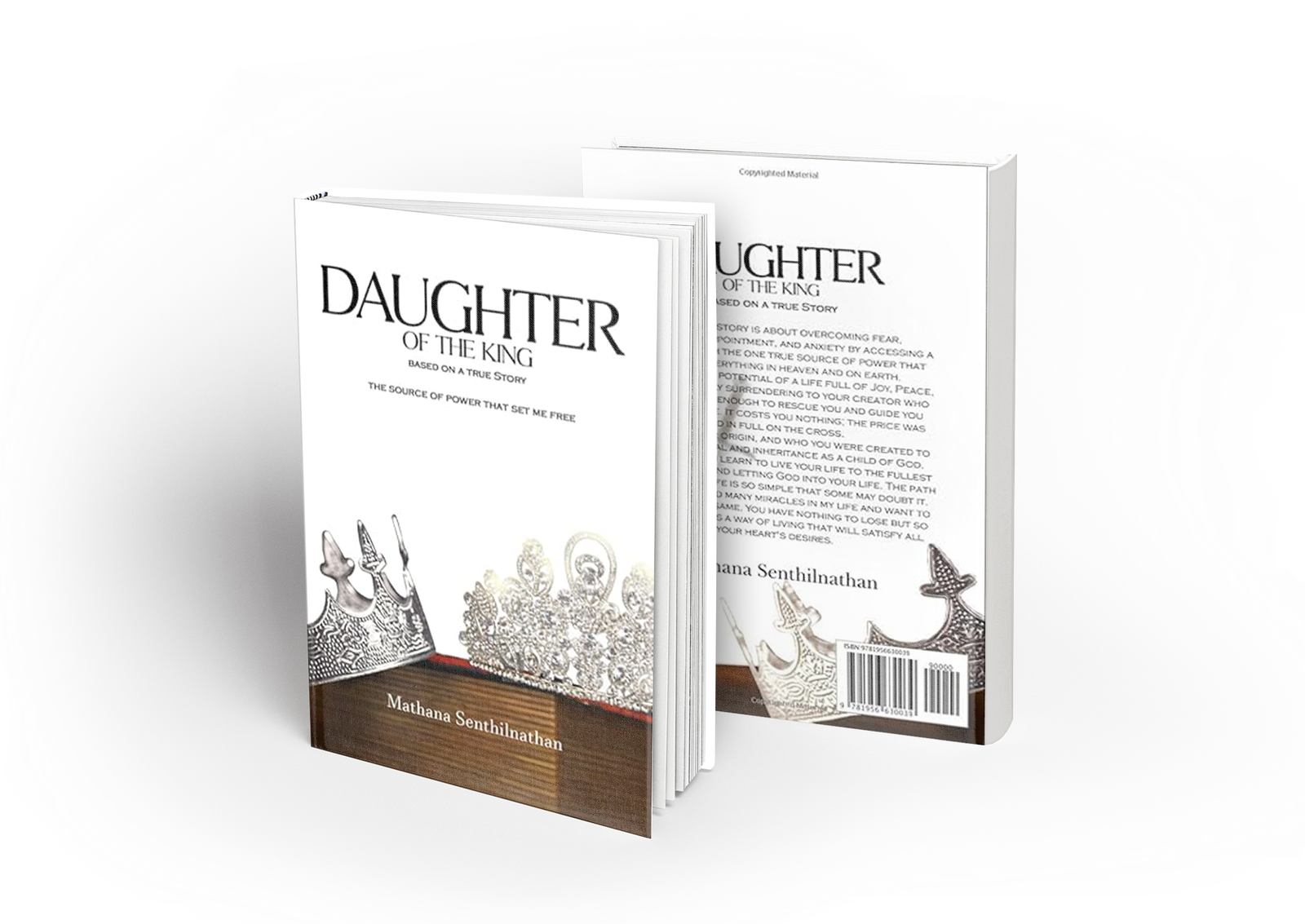
Designing Book Covers That Sell | Book Writing Venture
Designing Book Covers That Sell: Tips to Captivate Readers and Boost Sales
When it comes to creating a successful book, the old saying “Don’t judge a book by its cover” unfortunately doesn’t hold much weight. In today’s competitive market, your book cover is often the first—and sometimes only—chance to make a lasting impression on potential readers. Designing book covers that sell is an art and a science, combining creativity with understanding market trends and reader psychology.
At Book Writing Venture, we help authors not only write compelling stories but also package them attractively. This guide will walk you through essential tips to design book covers that grab attention and convert browsers into buyers.
Why Your Book Cover Matters
Before diving into design specifics, it’s important to recognize why book covers play such a crucial role:
First Impressions Count: Readers often decide whether to pick up a book within seconds based on the cover.
Genre Signaling: Covers communicate genre and tone, guiding readers to what they expect.
Marketing Tool: A professional, eye-catching cover improves discoverability on retail sites.
For more insights on book marketing, check out our article on Book Marketing Strategies for Self-Published Authors.
Essential Elements of Book Covers That Sell
1. Understand Your Target Audience
Knowing who will read your book is the first step. Research your target audience’s preferences in cover design, color schemes, and imagery. For example, thriller readers often gravitate toward dark, moody covers, whereas romance readers may prefer softer tones and fonts.
2. Use Eye-Catching Imagery and Typography
The cover imagery should evoke the book’s mood and theme, drawing readers in. High-quality photos, illustrations, or graphics can make your book stand out. Similarly, typography should be legible and reflect your book’s genre. Avoid overly complicated fonts that can confuse or detract from the title.
3. Keep It Simple and Focused
Minimalistic covers with a strong focal point tend to perform well, especially as thumbnails on digital platforms. Avoid clutter and ensure the title is easy to read both in print and online. If you’re unsure, seek inspiration from bestselling books within your genre.
4. Leverage Professional Design Tools and Services
If design is not your strength, consider hiring a professional book cover designer. Platforms like 99designs and Fiverr offer affordable options to connect with experienced creatives. Alternatively, tools like Canva offer user-friendly templates for DIY designs.
5. Test Your Design
Before finalizing, seek feedback from beta readers or a focus group of your target audience. Sometimes small tweaks make a huge difference in appeal. Use social media polls or websites like PickFu to test cover options efficiently.
Trends in Book Cover Design to Watch
Staying updated on current design trends can give your book an edge. Some popular trends include:
Bold Colors and Contrast: Bright colors that pop attract attention amidst a sea of books.
Hand-Drawn Elements: Custom illustrations add a personal touch and uniqueness.
Vintage and Retro Styles: Nostalgic designs can resonate, especially in specific genres like historical fiction.
Texture and Layers: Adding texture or layered elements creates depth and sophistication.
For a comprehensive look at design trends, visit Creative Bloq’s Book Cover Design Inspiration.
Common Mistakes to Avoid
Using low-resolution images that look pixelated.
Ignoring genre conventions, which can confuse readers.
Overloading the cover with too much text or too many visual elements.
Using clichéd or generic stock photos that don’t represent your story.
By avoiding these pitfalls, your book cover will have a better chance of grabbing attention and boosting sales.
Conclusion: Make Your Book Cover a Bestseller
Designing book covers that sell requires thoughtful consideration of audience, genre, and market trends. Remember that your cover is your book’s billboard—make it compelling, clear, and professional. Whether you choose to design your own or hire a professional, investing in a great cover is investing in your book’s success.
Ready to take your book from manuscript to market-ready with a killer cover? At Book Writing Venture, we offer expert guidance on every step of the journey—from writing to publishing and marketing. Visit our services page to learn how we can help turn your book into a bestseller.
Call to Action:
Don’t let your great story go unnoticed—partner with Book Writing Venture today and create stunning book covers that sell. Contact us now to get started on your book publishing journey!
For more tips and resources on writing and publishing, explore our blog at Book Writing Venture Blog.

Illustration Ideas for Best-Selling Covers
Illustration ideas for best-selling covers and interiors can play a vital role in capturing readers’ attention and conveying your book’s themes.
The world of book publishing is increasingly visual, and illustrations are one way to create an immediate emotional connection. Book covers often serve as a reader’s first impression, so they must stand out while aligning with the content. To achieve this, consider exploring different illustration styles such as watercolor, vector art, or vintage graphics. Each style can evoke distinct feelings and set the tone of your narrative, whether whimsical, serious, or somewhere in between.
When designing the cover, think about incorporating elements from the story itself. For instance, if the book features significant locations, consider illustrating a scene that captures the essence of that place. Alternatively, character portraits on the cover can draw readers’ curiosity about the protagonist’s journey. Additionally, minimalistic designs are gaining popularity, where simple yet impactful illustrations can speak volumes.
Inside the book, illustrations can enhance the reading experience. Think about using chapter headers with unique illustrations or stylized fonts that reflect the mood of each section. Maps can be particularly engaging for fantasy and adventure genres, guiding readers through the landscape of your story. Integrating subtle background illustrations on pages can also create a combined artwork effect, enriching the reading atmosphere.
Color choice is essential when it comes to both covers and interiors. Research color psychology to select hues that resonate with your book’s themes and target audience. For instance, warm colors might be more inviting for cozy romances, while dark tones might suit a thriller. You can also adopt a color palette that is consistent throughout both the cover and interior illustrations, maintaining visual harmony.
Don’t overlook typography in your illustration ideas. Combining artistic fonts with illustrations can enhance the theme and readability. Creative lettering can often become an illustration in itself; think of a unique title treatment that’s illustrated differently from the main title text.
Finally, ensure that your illustrations—even those inside the book—are high quality and detailed. The textures and lines should have clarity, so the illustrations do not appear blurry or pixelated. Hiring a professional illustrator or using high-quality images can make a significant difference in overall presentation.
In conclusion, illustration ideas for book covers and interiors offer myriad opportunities to create visually stunning works that draw readers in. By thoughtfully considering style, color, and the story’s themes, you can craft a book that not only captivates with words but also with art. Embrace the beauty of illustrations and let them enhance your storytelling journey.
Related services
Why entrepreneur should write a book
Why every entrepreneur should write a book? The answer is simple, credibility, visibility, and impact. Entrepreneurs solve problems and offer value. A book extends that impact beyond customers. It positions an entrepreneur as an expert, strengthens their brand, and opens new opportunities.
People trust authors. When someone writes a book, they showcase their knowledge and experience. A book proves that the entrepreneur understands their industry. Readers see them as a leader, not just a business owner. Because of this, entrepreneurs who write books often gain more respect and influence.
Reaching a wider audience
A book allows entrepreneurs to share their journeys, lessons, and insights. More importantly, it helps them connect with a wider audience. Not everyone can meet a business leader, but they can read their book. By writing one, entrepreneurs share their wisdom with people worldwide.
Books also have a lasting impact. Unlike a social media post or a speech, a book stays relevant for years. Readers pass it on to others, and new generations learn from it. Entrepreneurs who write books leave a legacy that continues to inspire and educate.
A book is a strong marketing tool
Writing a book is not just about sharing knowledge. It is also a great way to market a business. Entrepreneurs explain their work to clients, investors, and the media. But a book can do that job for them. Instead of repeating their story, they can hand someone a book that tells it all.
Books also open doors to new business opportunities. They attract clients who trust the author’s expertise. They grab the attention of investors looking for experts in their fields. Media outlets love interviewing authors because books add credibility. As a result, writing a book increases exposure and builds a stronger personal brand.
Long-term benefits of writing a book
Why Every Entrepreneur Should Write a Book becomes even clearer when thinking about long-term benefits. Books generate passive income. They expand professional networks. They increase speaking opportunities. Also, they give an edge in competitive industries.
Authors often get invited to events as speakers. They build relationships with other professionals. They get featured in podcasts, interviews, and conferences. All these things help them grow their business while sharing their knowledge. Writing a book is not just about today, it is an investment for the future.
How Book Writing Venture can help
Many entrepreneurs struggle with writing. They have great ideas but lack the time or experience to put them into words. This is where Book Writing Venture steps in.
Our team of skilled writers, editors, and publishing experts helps entrepreneurs craft their books. We assist in organizing ideas, structuring content, ghostwriting, editing, and publishing. Whether they choose self-publishing or traditional publishing, we guide them through the entire process.
With Book Writing Venture, entrepreneurs don’t have to write alone. We help bring their vision to life. We ensure their book represents their expertise in the best way possible.
“If you want to be a leader in your industry, write a book. If you want to leave a legacy, write a book. If you want to change lives, write a book.“
Latest News

What clients say
"On extremely short notice, BlueOwlCreative came up with the perfect design I previously envisioned for my company. "

"Wow, just the template we were looking for! Stunning clean design, element rich, clean code and browser friendly!"

"Awesome theme! Very intuitive to use, clean coded, and easy to customize. Just rated 5 stars! Will strongly recommend!"


Bookwriting Venture is a leading authority in the literary realm, renowned for its expertise in crafting captivating narratives across various genres.
Useful Links
Our Services
Contact Info
 +1 (346) 668-7438
Orlando, FL, 32801, United States